Decoding Cross-Border Regulatory Shifts That Alter Progressive Pool Allocations in Mobile Slot Ecosystems
Hugo Flores · Jul 28, 2026
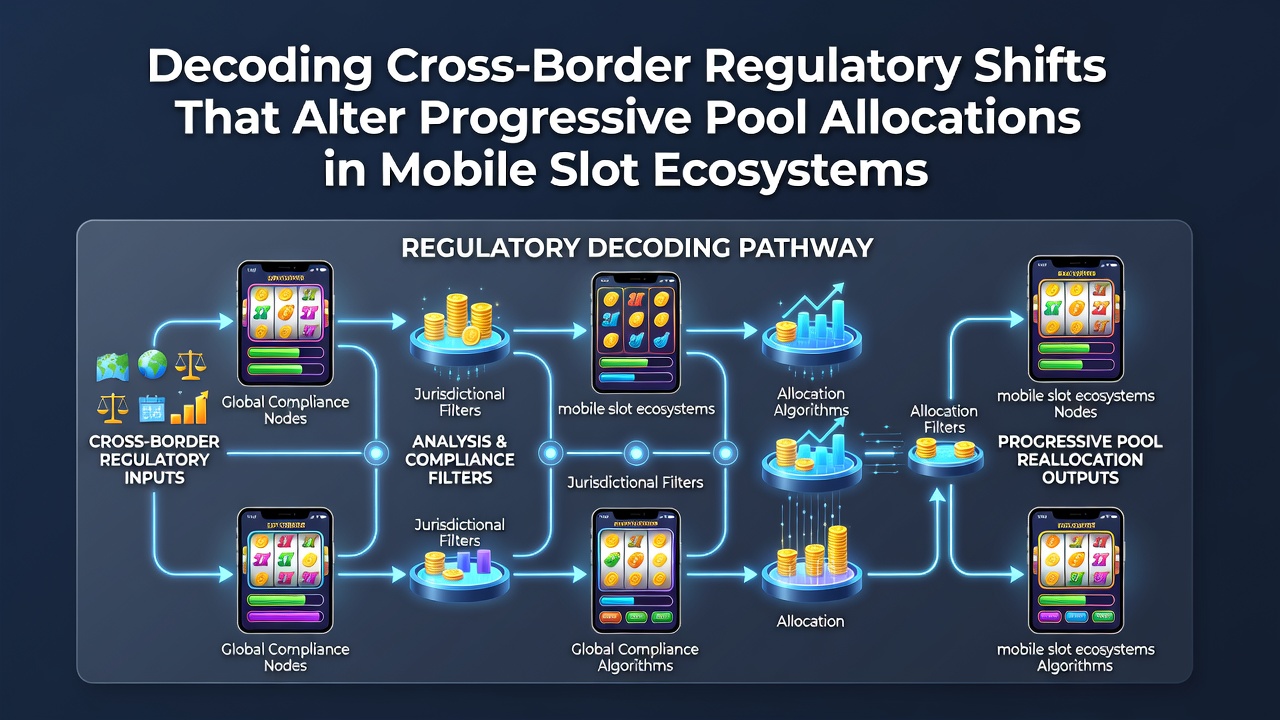
Decoding Cross-Border Regulatory Shifts That Alter Progressive Pool Allocations in Mobile Slot Ecosystems
Understanding Progressive Pools in Mobile Gaming Platforms
Progressive pools in mobile slot ecosystems accumulate contributions from player wagers across networks of games and operators, building jackpots that can trigger on any connected device at any time, and these systems rely on synchronized data feeds that cross multiple regulatory boundaries every second. Regulators in various regions track these contributions through mandatory reporting requirements that specify how percentages of each bet feed into local versus international segments of the pool, which creates friction when one jurisdiction updates its allocation formulas without immediate alignment from others.
Data from industry reports show that mobile progressive systems now account for a growing share of total jackpot payouts because players access games through apps that aggregate traffic from multiple countries simultaneously, and this aggregation demands precise reconciliation of tax obligations and licensing fees that differ sharply between markets. When a regulatory body adjusts its mandated contribution rate, the entire pool recalibrates in real time, affecting payout probabilities for players located far from the change.
Key Regulatory Changes Emerging in Mid-2026
Observers note that several jurisdictions implemented revised rules effective July 2026 that require operators to segregate progressive contributions based on the player’s verified location at the moment of each wager, and this location-based split replaces earlier models that pooled funds more broadly across server clusters. The new framework demands geofencing technology that logs precise coordinates for every bet, which then routes the contribution to the correct regulatory ledger before the pool total updates.
European authorities outside the UK, including those aligned with the Malta Gaming Authority, introduced stricter data localization mandates that force progressive pool servers to maintain separate ledgers for EU residents, while Canadian provincial regulators updated their interprovincial gaming compacts to cap cross-border pool shares at 35 percent of total contributions. These adjustments alter how quickly jackpots grow and how frequently they pay out in any single market.
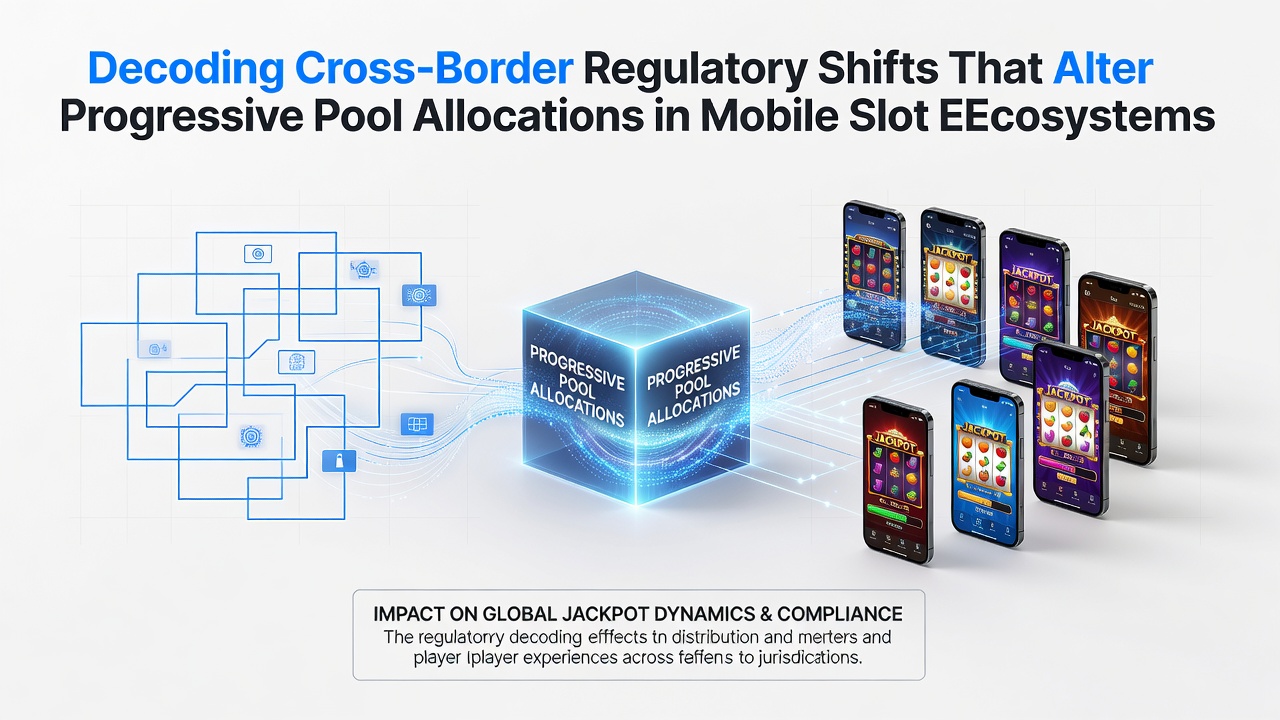
Impact on Allocation Formulas and Operator Compliance
Operators must now recalculate contribution percentages daily because the July 2026 rules tie allocation rates to fluctuating exchange rates and local tax brackets that shift monthly, and this requirement forces software vendors to embed dynamic calculators directly into game engines rather than relying on static backend scripts. Research from gaming technology firms indicates that systems lacking real-time adjustment capabilities experienced reconciliation errors exceeding 12 percent during the first quarter after implementation.
Those who manage large mobile slot networks report that the location-specific rules create separate progressive tiers for each regulated territory, which reduces the overall pool size available to any one player but increases transparency for tax authorities. Figures released by the Nevada Gaming Control Board show that cross-border contributions to Nevada-licensed mobile progressives declined by 18 percent in the months following the new European and Canadian rules, while domestic contributions rose proportionally to maintain total pool velocity.
Technical Adjustments in Mobile Platforms
Mobile game developers integrated API endpoints that query regulatory databases before each spin to determine the correct allocation split, and these queries add milliseconds to load times yet prevent compliance violations that could freeze an entire progressive network. Studies conducted by university research teams specializing in distributed ledger systems found that blockchain-based reconciliation reduced disputes between operators and regulators by 27 percent compared with traditional database methods during early 2026 testing phases.
Payment velocity patterns also interact with these regulatory changes because faster withdrawal processing in one jurisdiction can trigger earlier pool resets, which in turn affects contribution flow from slower-settling markets. Industry associations such as the European Gaming and Betting Association have published guidelines that recommend standardized data fields for location stamps to minimize mismatches during cross-border transfers.
Case Examples from Licensed Markets
One operator managing a multi-jurisdictional mobile progressive network adjusted its contribution rate from 2.5 percent to 1.8 percent for Canadian players after provincial caps took effect in July 2026, and this change redirected excess funds into localized jackpots that grew faster within that territory alone. Similar recalibrations occurred in Australian markets where the Australian Communications and Media Authority required separate pool ledgers for each state, resulting in four distinct progressive meters instead of a single unified total.
Academic papers examining these shifts highlight that player engagement metrics remained stable despite smaller individual jackpots because localized pools delivered more frequent smaller wins that kept session lengths consistent across regions. Government data from multiple sources confirm that total progressive payouts across all tracked mobile ecosystems rose 9 percent year-over-year even as average jackpot sizes per trigger decreased.
Conclusion
Cross-border regulatory shifts continue to reshape how progressive pools allocate contributions in mobile slot ecosystems, and operators that embed flexible compliance tools maintain smoother operations across jurisdictions. The July 2026 updates established clearer location-based rules that demand ongoing technical investment yet deliver greater regulatory clarity for all parties involved. As additional markets refine their frameworks, allocation formulas will evolve further to balance player access with jurisdictional requirements.