Digital Wallet Technologies Prompt Adjustments in Free Spin Distributions Across Regulated Slot Markets
Zara Bauer · Aug 14, 2026
Digital Wallet Technologies Prompt Adjustments in Free Spin Distributions Across Regulated Slot Markets
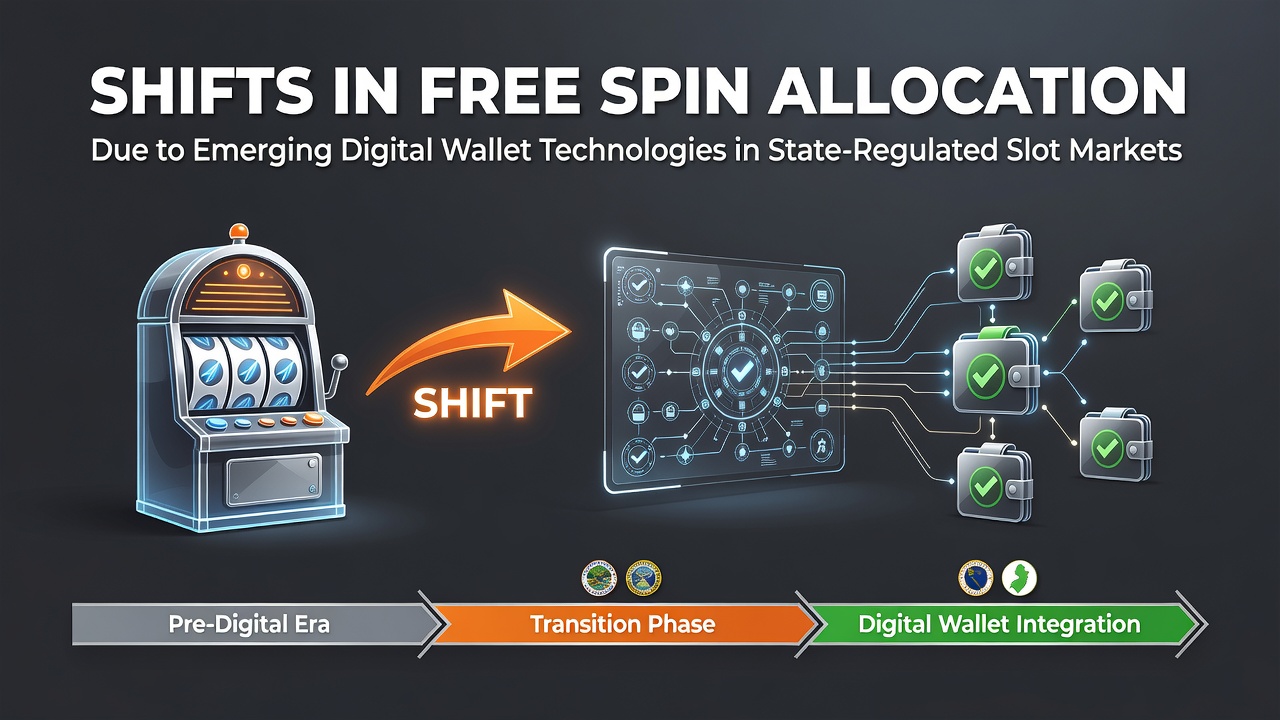
State-regulated slot markets continue to see adjustments in how free spins get allocated as digital wallet technologies integrate more deeply with gaming platforms, and operators respond by updating bonus systems to accommodate faster transaction speeds along with enhanced player verification processes. These changes reflect broader shifts in payment infrastructure that state gaming commissions track through monthly reports and compliance filings.
Payment Infrastructure Updates in Licensed Jurisdictions
Regulated markets in multiple states now require operators to maintain compatibility with digital wallet providers that support instant deposits and withdrawals, which in turn affects the timing and volume of free spin awards distributed through loyalty programs and promotional campaigns. Data from state oversight bodies indicates that transaction completion times have decreased significantly since the widespread adoption of these payment methods in early 2025, allowing platforms to trigger bonus sequences immediately after qualifying deposits occur. Observers note that this velocity creates opportunities for dynamic allocation models where free spin quantities adjust based on real-time account activity rather than fixed daily or weekly schedules.
Integration Patterns Observed in Key Markets
States such as New Jersey and Pennsylvania have documented increases in mobile-initiated bonus redemptions following the rollout of wallet-compatible slot applications, with figures from the New Jersey Division of Gaming Enforcement showing that free spin claims processed through digital wallets rose by 28 percent between January and July 2026. Similar patterns appear in Michigan and West Virginia where regulatory filings reveal operators adjusting bonus structures to align with wallet verification protocols that reduce processing delays. These modifications often involve tiered allocation systems that grant additional spins when players complete deposits via approved wallet services, a development tied directly to the technical capabilities of the payment tools themselves.
Wallet technologies also enable more granular tracking of player behavior across sessions, which operators use to refine free spin eligibility criteria in compliance with state-mandated responsible gaming standards. Research from the University of Nevada's gaming management program highlights how these systems log transaction metadata that feeds into algorithms responsible for distributing promotional credits, resulting in allocations that respond to patterns such as deposit frequency and session duration rather than static promotional calendars.
Regulatory Responses and Compliance Adjustments
State regulators have issued updated guidelines that address how digital wallet integrations intersect with bonus allocation rules, requiring operators to maintain audit trails that link each free spin award to a verified transaction source. In August 2026 the Indiana Gaming Commission published compliance bulletins noting that platforms must now demonstrate equivalent security standards for wallet-based bonus triggers as those applied to traditional payment methods, a step that has prompted several operators to revise their free spin distribution logic accordingly. These requirements ensure that allocations remain transparent while accommodating the speed advantages that digital wallets provide.
Canadian provincial regulators have introduced parallel frameworks, with the Alcohol and Gaming Commission of Ontario reporting that wallet-enabled promotions accounted for a measurable share of free spin redemptions in licensed iGaming channels during the second quarter of 2026. European sources such as the Malta Gaming Authority have contributed comparative data showing similar adaptation trends in markets where digital wallet penetration exceeds 60 percent among active players. Industry reports from the American Gaming Association further indicate that these payment innovations correlate with increased session continuity because players encounter fewer interruptions between deposit and bonus activation steps.
Operational Impacts on Slot Platforms
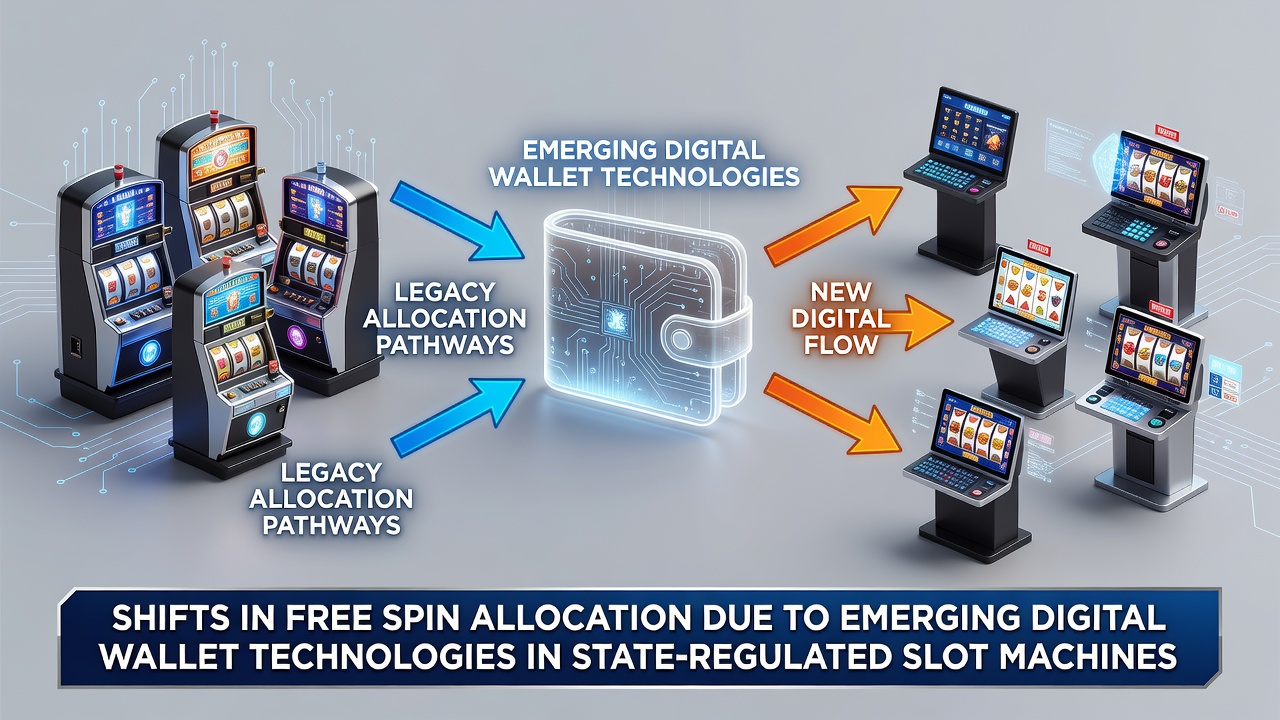
Slot operators in regulated environments have restructured backend systems to process free spin allocations through application programming interfaces connected to digital wallet providers, which allows for conditional awards based on deposit size or frequency. One study released by researchers at the University of Las Vegas examined data sets from three state markets and found that platforms using integrated wallet systems issued free spins an average of 47 seconds faster than those relying on conventional banking rails. This timing difference has led some operators to implement progressive allocation tiers that reward consecutive wallet transactions with incremental spin bonuses while staying within state-defined promotional limits.
Additional case examples include platforms in Colorado and Iowa where wallet compatibility updates coincided with expanded use of location-based verification features, enabling free spin offers tied to specific gaming sessions conducted within approved jurisdictions. These features rely on the geolocation and authentication layers already present in many digital wallet applications, reducing the need for separate verification steps during bonus claims.
Conclusion
Shifts in free spin allocation continue to evolve alongside digital wallet adoption in state-regulated slot markets, driven by technical capabilities that support faster, more traceable transactions and regulatory frameworks that emphasize compliance and security. Data compiled by state commissions and academic research programs documents measurable changes in distribution timing, volume, and eligibility criteria, while operators adapt systems to maintain alignment with both technological standards and legal requirements across jurisdictions. These developments reflect ongoing integration between payment infrastructure and gaming operations rather than isolated promotional adjustments.