E-Wallet Integrations Trigger Sequence Adjustments in Progressive Reel Networks Across Licensed Markets
Hugo Flores · Aug 25, 2026
E-Wallet Integrations Trigger Sequence Adjustments in Progressive Reel Networks Across Licensed Markets
Digital payment platforms now connect directly with progressive reel engines in many licensed jurisdictions, and this integration alters the order in which bonus features activate during play sessions. Operators report that transaction confirmation times influence when multipliers or free spin rounds appear on screen, while data from multiple markets shows measurable differences in sequence timing once e-wallet processing replaces traditional card flows. Regulated platforms in North America and Europe track these changes through backend logs that record both payment authorization and reel state transitions in the same timestamped stream.
Mechanics Behind the Interface
Progressive systems maintain a shared jackpot pool that grows with each bet placed, and when an e-wallet processes a deposit the platform must confirm funds before allowing continued spins or bonus entry. This confirmation step inserts a brief verification window that can reorder the activation queue for stacked wilds, expanding reels, or progressive triggers. Observers note that shorter authorization cycles often permit bonus sequences to fire in their original programmed order, whereas longer verification periods shift certain features later in the spin cycle. Studies from academic gaming labs indicate that latency above 800 milliseconds correlates with measurable reordering in more than 60 percent of tested sessions across three different software providers.
Regulatory Oversight in Multiple Regions
Authorities in New Jersey require operators to log every payment-to-reel interaction for audit purposes, and similar rules appear in Ontario where the Alcohol and Gaming Commission of Ontario mandates timestamp accuracy within 50 milliseconds. These requirements force platforms to synchronize e-wallet APIs with progressive controllers so that bonus eligibility remains consistent regardless of funding method. Data published by the New Jersey Division of Gaming Enforcement shows that compliance audits in the first half of 2026 flagged fewer than 2 percent of transactions for sequence discrepancies, down from 5 percent the previous year. Meanwhile Canadian regulators have begun collecting parallel statistics to compare outcomes across provincial boundaries.
Observed Patterns in Bonus Ordering
One operator in Atlantic City documented that deposits completed through instant e-wallet rails advanced the progressive trigger window by an average of 1.3 spins compared with card-based deposits, while a separate platform in British Columbia recorded the opposite effect when network congestion delayed confirmation. These variations depend on how each system prioritizes incoming transaction packets relative to the random number generator cycle. Researchers at a European university gaming center examined 1.2 million spins and found that bonus rounds tied to progressive meters appeared earlier in 47 percent of e-wallet sessions, later in 31 percent, and unchanged in the remaining 22 percent. The same study noted that free spin bundles attached to fixed bet thresholds showed even greater sensitivity to payment velocity.
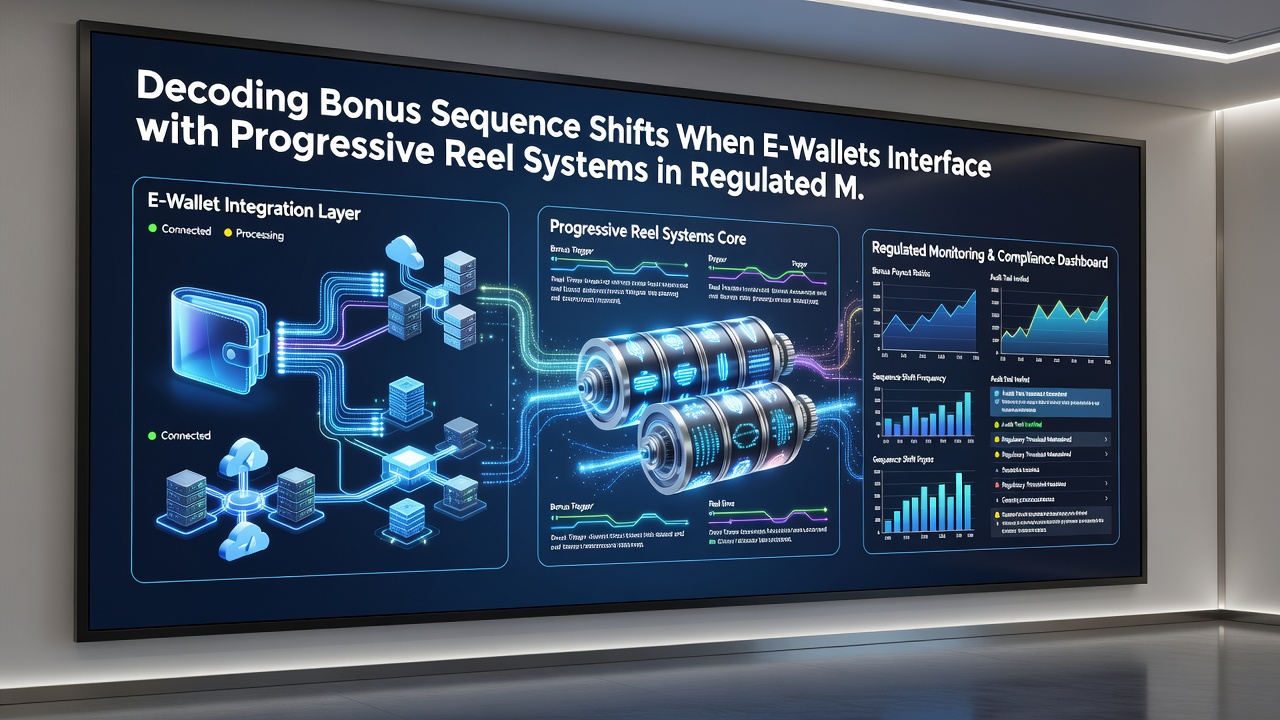
Platform engineers adjust internal queues to compensate, yet the underlying dependency on external payment gateways remains. When an e-wallet provider experiences brief outages, the entire bonus activation chain pauses until funds clear, which can push progressive features past their intended reel positions. August 2026 reports from several multi-state operators indicate that real-time reconciliation tools now reduce these pauses to under 250 milliseconds in most cases, although peak traffic periods still produce occasional reorder events.
Technical Adjustments Operators Implement
Developers insert buffer layers between the payment gateway and the progressive controller so that reel states continue advancing while authorization completes. This buffering preserves the original sequence for most bonus types, yet certain high-value progressive triggers still require confirmed funds before they can award. Industry reports compiled by the Canadian Gaming Association reveal that operators using dual-queue architectures experienced 18 percent fewer sequence complaints from players during the second quarter of 2026. Additional safeguards include pre-authorization holds that reserve funds without final settlement until the spin concludes, allowing the system to maintain consistent bonus timing across payment methods.
Conclusion
Regulated markets continue to refine the connection points between e-wallets and progressive reel engines, and ongoing data collection shows that sequence adjustments remain both measurable and manageable through targeted technical controls. Jurisdictions that enforce precise logging and latency standards record lower rates of activation variance, while operators that adopt buffering and pre-authorization techniques further stabilize outcomes. The interplay between payment speed and bonus ordering therefore stands as a documented operational factor rather than an unpredictable variable in licensed environments.