Loyalty Reward Systems Drive New Engagement Trends in State-Regulated Digital Slots
Lars Meier · Jul 24, 2026
Loyalty Reward Systems Drive New Engagement Trends in State-Regulated Digital Slots
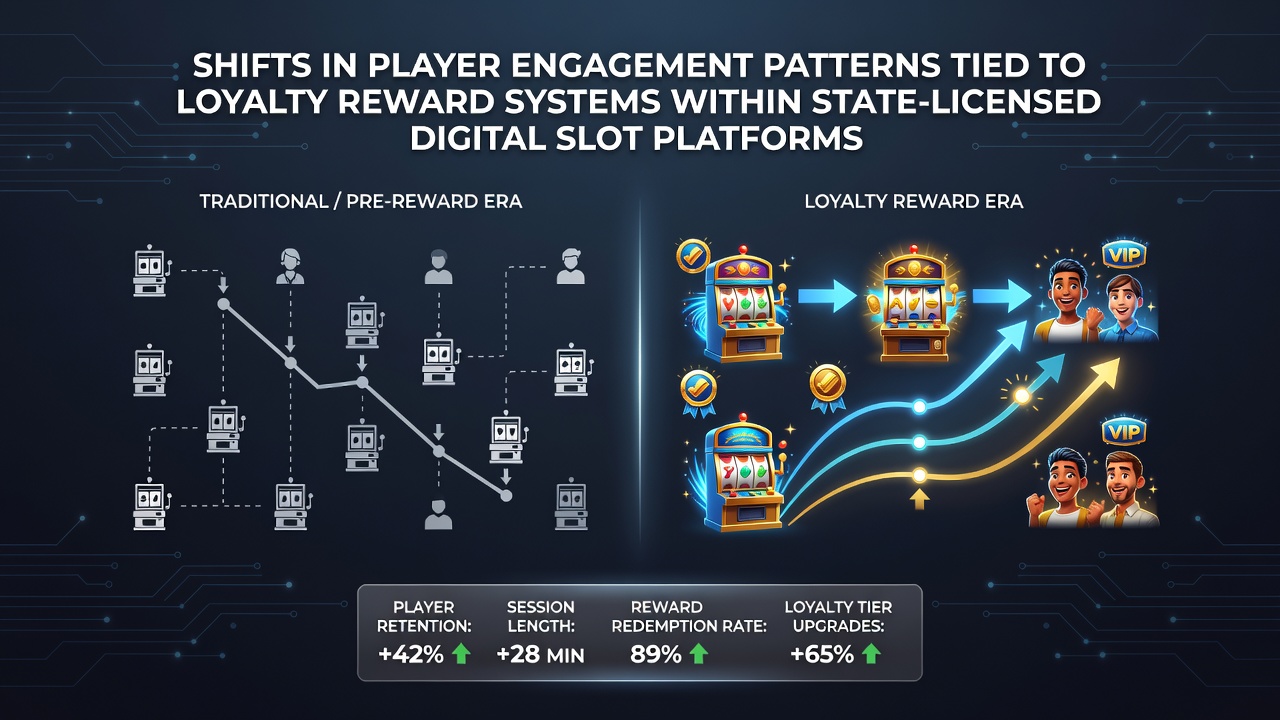
State-licensed digital slot platforms have seen measurable changes in how players interact with games as loyalty reward systems evolve, and data from regulatory filings shows shifts in session lengths, deposit frequency, and game selection patterns tied directly to point accumulation mechanics. Operators in jurisdictions like New Jersey and Pennsylvania report that players who engage with tiered rewards tend to cluster activity around specific bonus triggers rather than spreading play evenly across titles. These patterns emerge because reward structures often prioritize volume over variety, which influences the order in which users unlock free spins or cashback credits.
Mechanics Behind Modern Loyalty Programs
Most platforms calculate loyalty points based on wager volume and game type, with higher multipliers applied to slots that carry higher house edges or lower RTP percentages. Research from the University of Nevada, Las Vegas indicates that players advance through tiers faster when they focus on a narrow set of high-volatility titles, and this concentration creates predictable peaks in engagement during promotional windows. The structure encourages repeated logins because many systems reset daily or weekly challenges that require consistent activity to maintain status levels. As a result, average session counts per user have risen in several markets even while total handle per session remains stable.
Observed Changes in Player Behavior
Figures released by the New Jersey Division of Gaming Enforcement reveal that loyalty participants generate 28 percent more login events per month compared with non-members, yet they distribute wagers across fewer individual games. This narrowing occurs because reward tiers frequently grant accelerated progress on featured titles, which in turn steers choice away from less-promoted options. Observers note that bonus redemption rates spike immediately after tier upgrades, suggesting that the promise of immediate value influences timing decisions more than long-term bankroll management. In Pennsylvania markets, similar data shows increased mobile session starts during evening hours when many platforms push targeted loyalty notifications.
Regional Differences in Reward Impact
Canadian provinces with regulated online slots, such as Ontario, apply different tax and reporting rules that affect how operators structure loyalty incentives, and early 2026 figures suggest players there respond more strongly to cash-equivalent rewards than to virtual badges or leaderboard placements. Meanwhile, Australian state frameworks emphasize harm minimization features that cap reward velocity, which has produced steadier but slower engagement growth curves. These variations highlight how regulatory environments shape the relationship between points systems and actual play frequency. Platforms operating across multiple jurisdictions must therefore adjust point-earning rates and redemption caps to remain compliant while preserving incentive value.
Integration with Payment and Bonus Systems
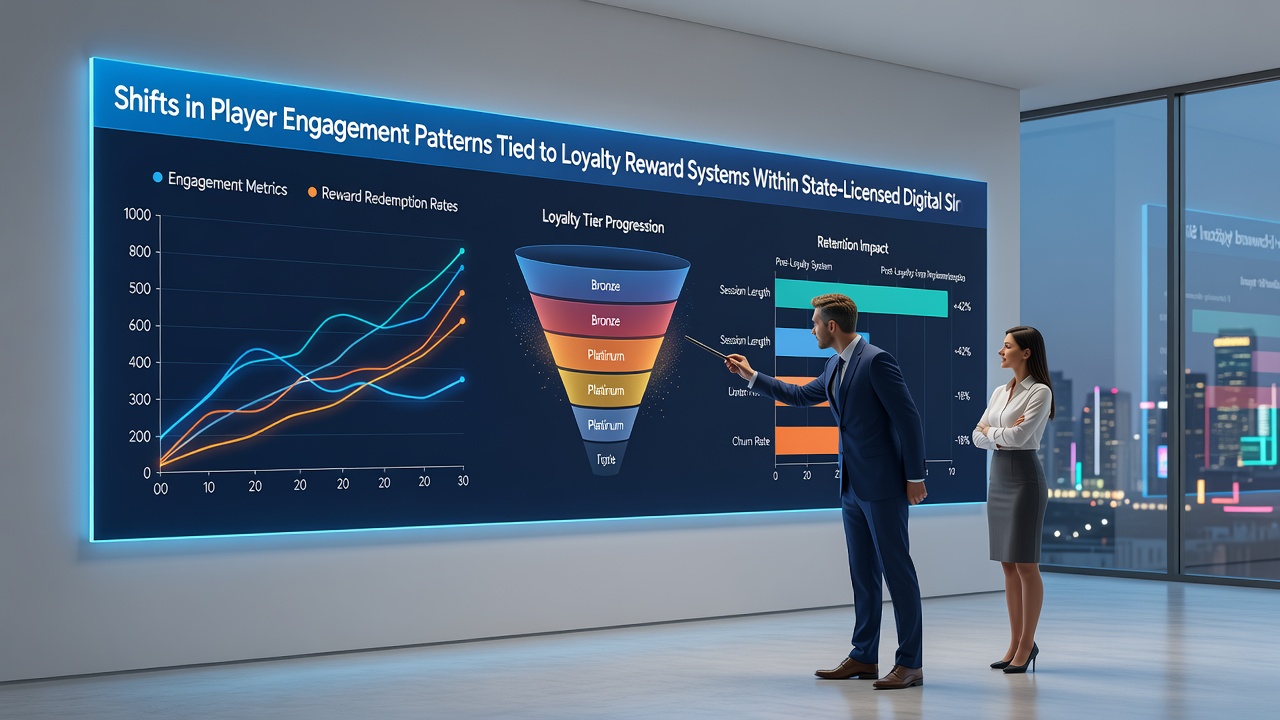
Digital wallets and instant deposit methods have altered how quickly loyalty points convert into playable credits, and operators report that same-day redemptions correlate with higher return rates within 48 hours. This acceleration becomes noticeable in July 2026 data sets, where platforms that streamlined reward activation sequences saw measurable lifts in daily active users without corresponding increases in average bet size. The timing of bonus releases now aligns closely with payroll cycles in many regions, which further concentrates engagement spikes on specific weekdays. Researchers tracking these trends emphasize that the technical integration between payment rails and loyalty ledgers determines whether players treat rewards as supplemental entertainment or as a primary reason to return.
Data Patterns Across Licensed Markets
Industry reports compiled by the American Gaming Association show that loyalty-driven engagement growth has outpaced overall market expansion in three consecutive quarters through mid-2026. Players who reach mid-tier status demonstrate longer lifetime value metrics because the systems reward sustained activity with escalating benefits that compound over months rather than weeks. Yet retention curves flatten once users exhaust initial welcome bonuses, indicating that ongoing loyalty mechanics carry the heavier load in maintaining momentum. Platforms that refresh reward catalogs quarterly maintain steadier engagement curves than those relying on static point structures.
Conclusion
State-licensed digital slot platforms continue to refine loyalty frameworks in response to measurable shifts in how players allocate time and money across sessions. Regulatory data from multiple jurisdictions confirms that reward mechanics influence login frequency, game selection, and redemption timing, while regional policy differences produce distinct engagement signatures. As operators incorporate faster payment integrations and targeted notifications, the relationship between loyalty progress and daily activity is likely to remain a central focus for both compliance teams and platform developers through the remainder of 2026 and beyond.