Mapping Retention Dynamics in Blended Live Dealer and Mobile Slot Bonus Systems Within Regulated Jurisdictions
Lars Meier · Aug 4, 2026
Mapping Retention Dynamics in Blended Live Dealer and Mobile Slot Bonus Systems Within Regulated Jurisdictions
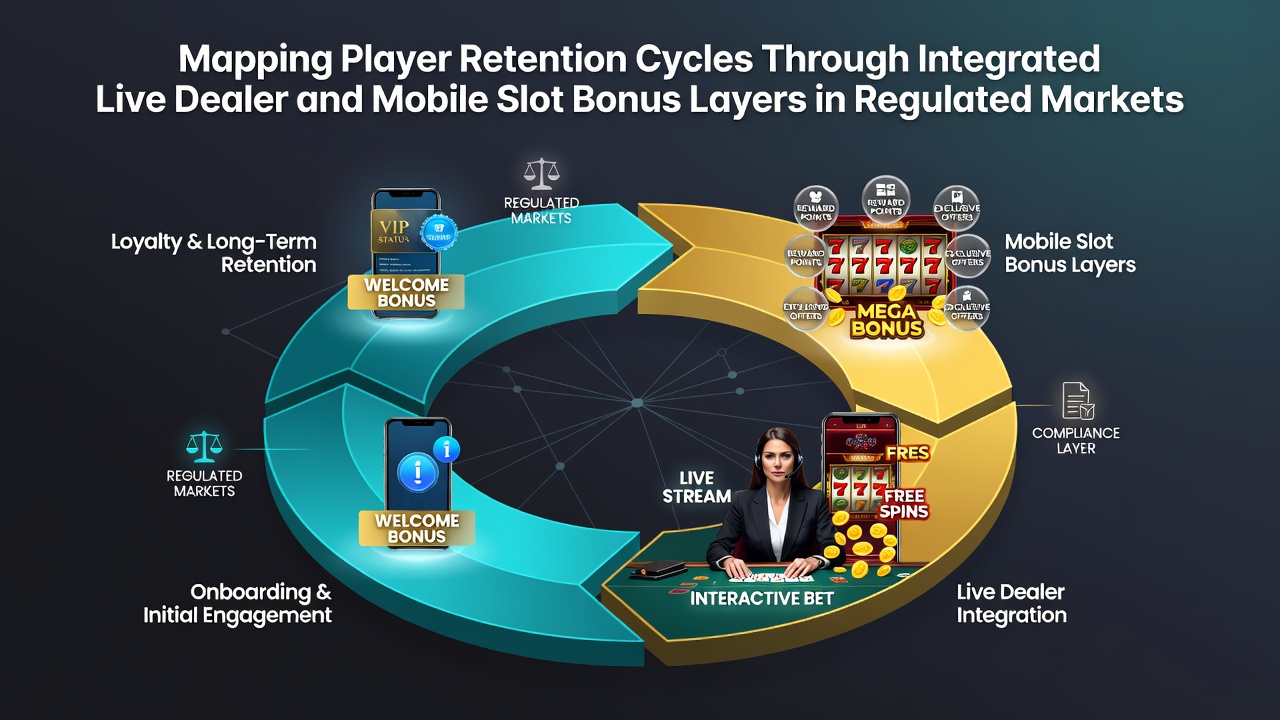
Regulated markets have seen operators layer live dealer streams directly into mobile slot interfaces to create continuous engagement loops that extend session lengths and repeat visits. Data from multiple jurisdictions shows these integrations track player behavior across bonus triggers, table interactions, and slot spins, allowing platforms to map retention cycles with increasing precision. Observers note that the combination produces measurable patterns where initial mobile bonus redemptions lead players toward live dealer tables, and those table sessions in turn feed back into slot progressives.
Core Components of Integrated Retention Mapping
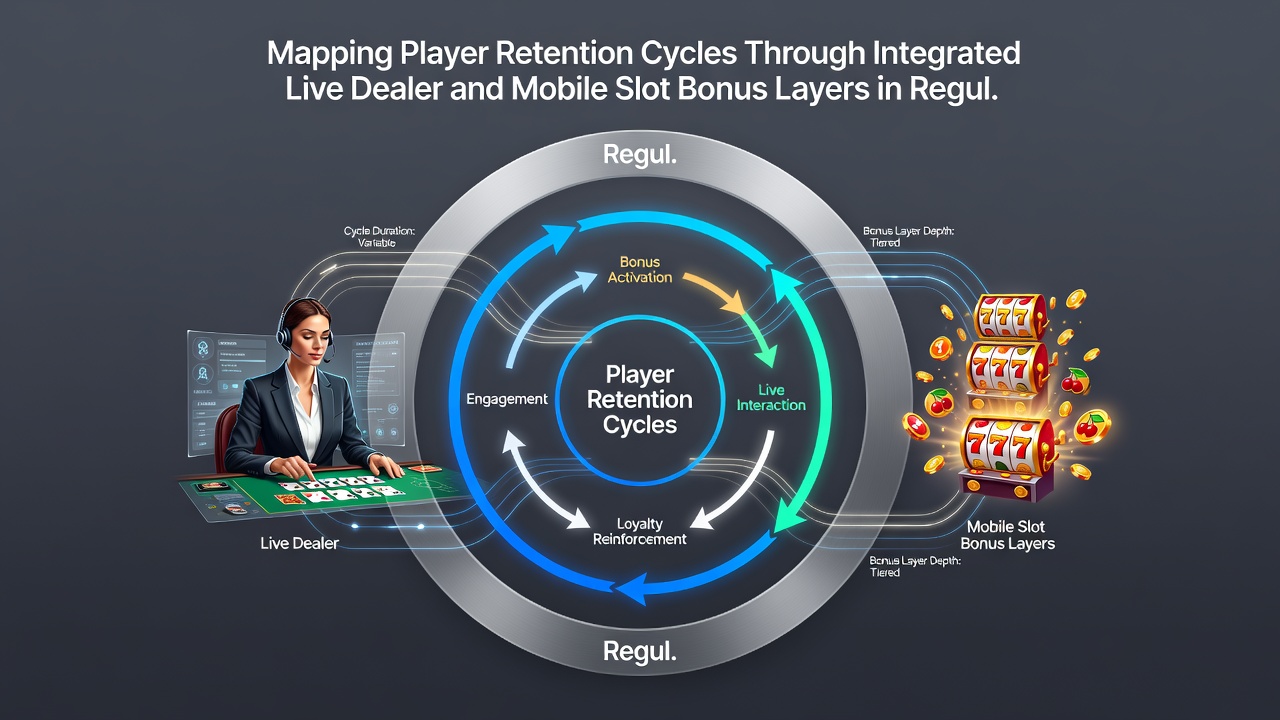
Live dealer feeds now carry embedded slot bonus notifications that appear during natural table breaks, while mobile slot apps route players to live tables once certain reel milestones are met. This structure creates closed loops where retention metrics capture both entry points and crossovers. Figures from North American operators reveal that players who engage with both elements within a single session show retention rates extending 18 to 22 days longer than those who remain in one vertical. The mapping process relies on timestamped event logs that record when a bonus layer activates, how long a player stays at a live table, and whether they return to slots after the table session ends.
Data Patterns Emerging in August 2026
August 2026 reports from several U.S. states and Canadian provinces indicate that integrated systems produce distinct cycle peaks around mid-month, coinciding with payroll deposit patterns and promotional calendar resets. Retention dashboards track these peaks by correlating live dealer table occupancy spikes with subsequent mobile slot bonus claims. One study of Ontario-licensed platforms found that 67 percent of players who accepted a live dealer invitation following a slot bonus round completed at least three additional mobile sessions within the following seven days. These cycles repeat because the bonus layers are designed to reset at intervals that align with typical player return windows.
Regulatory Frameworks Guiding Implementation
Operators must comply with rules set by bodies such as the iGaming Ontario and the Nevada Gaming Control Board when deploying these layered systems. Compliance requires transparent logging of bonus activation sequences and clear separation between live dealer outcomes and slot random number generators. Data shows that jurisdictions enforcing strict audit trails for cross-product bonuses experience fewer disputes and higher reported player satisfaction scores. Platforms in these markets therefore invest in retention mapping tools that flag any sequence where a live dealer result directly influences a mobile slot bonus probability.
Practical Examples from Licensed Operators
Take one operator in New Jersey that synchronized its live blackjack streams with a mobile slot bonus wheel appearing only after table hand completion. Retention analytics showed players completing the wheel spin remained active 31 percent longer over a 30-day window. Another case in Michigan involved routing mobile slot players who hit a specific scatter combination straight into a live roulette lobby, where a secondary bonus could be claimed. Records indicate this path increased weekly return visits by an average of 1.4 sessions per player. Such examples illustrate how the mapping of retention cycles relies on precise sequencing rather than isolated product features.
Measurement Techniques and Tools
Analysts use cohort tracking combined with funnel visualization to isolate which bonus layer contributes most to cycle continuation. Heat maps display time-of-day engagement peaks and overlay them with live dealer table availability windows. Researchers have documented that when mobile slot bonus layers activate within 90 seconds of a live dealer session ending, conversion back to slots rises sharply. These techniques draw on anonymized player data sets that regulators require platforms to maintain for at least 18 months. The resulting maps allow operators to adjust bonus timing and table staffing without altering game mathematics.
Cross-Market Comparisons
European markets licensed under the Malta Gaming Authority show similar integration patterns but with tighter restrictions on bonus stacking across verticals. Australian operators regulated by state authorities report longer average cycle lengths when live dealer and mobile slots share a unified loyalty currency. Data indicates that markets permitting seamless wallet movement between products achieve higher retention continuity than those requiring separate funding steps. Observers note these differences stem from regulatory choices rather than technological limitations.
Conclusion
Integrated live dealer and mobile slot bonus layers now serve as primary instruments for mapping retention cycles in regulated markets. The evidence gathered through timestamped logs, cohort analysis, and jurisdictional reports demonstrates consistent patterns of extended engagement when the two elements connect within single sessions. As platforms refine these mappings through 2026 and beyond, operators continue to align bonus sequences with observed player return behaviors while remaining within the boundaries set by local regulators.