Mobile Access Transforming No-Deposit Bonuses and Progressive Jackpot Systems in Legal Markets
Lars Meier · May 22, 2026
Mobile Access Transforming No-Deposit Bonuses and Progressive Jackpot Systems in Legal Markets
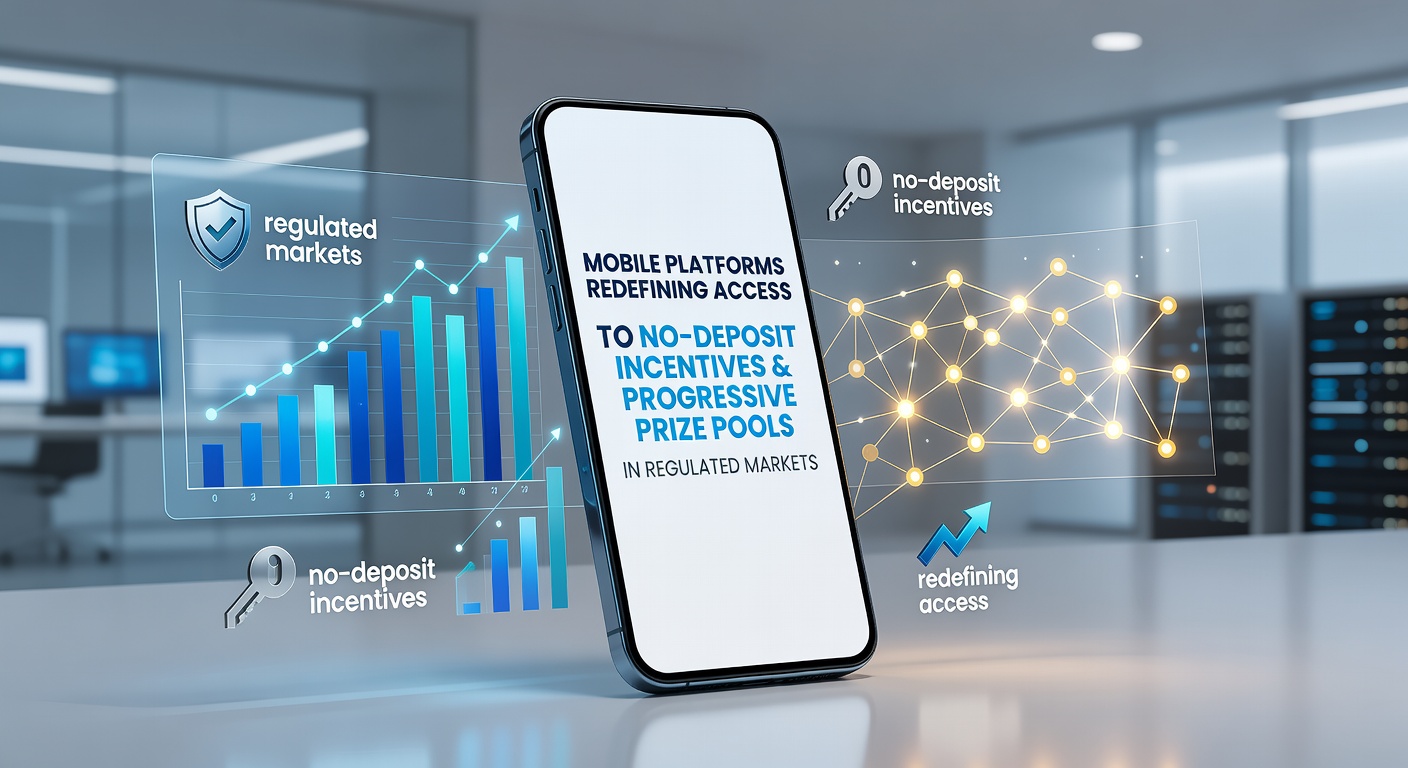
Regulated gambling markets have seen mobile platforms expand the reach of no-deposit incentives, allowing players to claim free spins or bonus credits without an initial transfer while remaining within state or provincial licensing rules, and these same applications have contributed to larger progressive prize pools through wider participation across connected games. Data from multiple jurisdictions shows registration numbers climbing steadily through app-based entry points that verify identity and location in seconds rather than minutes. Observers note that operators in New Jersey and Pennsylvania reported higher volumes of bonus redemptions tied directly to mobile sessions during the first quarter of 2026.
Platforms achieve this reach by embedding geofencing technology that confirms users sit inside approved boundaries before any offer activates, which satisfies regulatory requirements without slowing the sign-up flow. Once inside the app, players encounter no-deposit promotions presented as instant rewards that credit directly to the account balance or as free spins on selected titles. Those who have studied user behavior patterns report that completion rates for these offers rise when the process stays confined to a single mobile screen rather than requiring desktop navigation or email verification loops.
Expansion of No-Deposit Offers Through App Ecosystems
Operators structure no-deposit incentives to comply with local caps on bonus values and wagering obligations, and mobile interfaces display these terms in scrollable panels that update automatically when regulations shift. In May 2026 several Canadian provinces adjusted their digital gaming frameworks, prompting app developers to push quick patches that reflected new maximum bonus thresholds for Ontario and British Columbia users. Research from the Canadian Gaming Association indicates that mobile delivery now accounts for the majority of first-time claims in those provinces, because push notifications reach players at moments when they already hold their devices.
What's interesting is how loyalty integration works inside the same environment, since accumulated points from previous play can unlock upgraded versions of the same no-deposit offers without extra steps. This linkage keeps users inside the regulated channel instead of drifting toward offshore alternatives that lack similar consumer protections. Figures from state gaming reports reveal that retention after the first bonus redemption improves when the entire sequence, from claim to play to withdrawal request, occurs within one verified application.
Progressive Prize Pools Growing with Mobile Participation
Progressive jackpot systems benefit when mobile platforms feed additional wagers into shared pools, because each qualifying bet from an app user increases the meter in real time across linked games. Multiple operators now route contributions from separate brands into single progressive networks that span state lines where interstate compacts permit such arrangements. Data released by the New Jersey Division of Gaming Enforcement shows that mobile-generated contributions represented over sixty percent of total progressive growth in several major titles during early 2026.

Players access these growing pools through games that carry identical rules whether launched on a phone or tablet, and the interface scales the meter display so the current total remains visible without extra taps. Regulators require that the random number generation stay certified and that the contribution percentage stay fixed regardless of device, which preserves fairness across the network. Those who've examined payout records note that several record-breaking progressive wins in 2025 originated from mobile sessions, a trend that continued into the following spring.
Regulatory Compliance and Security Measures
Licensing authorities mandate that mobile applications undergo the same rigorous testing as desktop sites, including independent audits of random outcomes and bonus distribution logic. In Australia the Northern Territory Government maintains an approval process that requires operators to demonstrate how no-deposit incentives prevent money laundering exposure before any app update receives clearance. These steps create documented audit trails that regulators review during routine inspections, and the resulting reports feed into public summaries that track overall market health.
Security protocols inside approved apps rely on device-level encryption and token-based authentication that expires after short periods, which reduces risks associated with shared or lost phones. Industry reports from the American Gaming Association highlight that breach incidents tied to regulated mobile gaming remain statistically lower than those reported in less controlled digital spaces. Players benefit because withdrawal requests initiated from the same app that handled the original no-deposit claim move through verified accounts that already cleared identity checks.
Market Trends Observed in Mid-2026
By May 2026 mobile sessions had become the primary entry point for new accounts in most U.S. states that permit online casino play, and operators responded by tailoring progressive pool marketing to in-app notifications timed around jackpot milestones. Participation data collected across platforms shows that average session lengths on mobile devices exceed those recorded on desktop interfaces for games carrying progressive elements, partly because push alerts remind users when meters reach notable thresholds. This pattern holds across different regulatory environments, from East Coast states to emerging markets in the Midwest that launched their frameworks in late 2025.
Cross-border comparisons reveal similar dynamics in parts of Europe where mobile-first licensing has operated longer, with prize pools expanding in proportion to verified player bases that access offers through national apps. Regulatory bodies in those regions publish quarterly statistics that separate mobile versus other access methods, allowing analysts to track how no-deposit incentives influence overall contribution rates to shared jackpots.
Conclusion
Regulated markets continue to integrate mobile platforms into the core infrastructure that delivers no-deposit incentives and supports progressive prize pool growth, with compliance layers built directly into application code rather than added afterward. Participation metrics released by multiple government agencies demonstrate consistent expansion tied to device accessibility, while security and fairness standards remain uniform across approved channels. As additional jurisdictions finalize their digital frameworks, the same mobile mechanisms are expected to scale accordingly, maintaining the connection between player acquisition tools and the larger jackpot networks that draw sustained engagement.