Payment Method Selection Shapes Progressive Accumulator Rates Across Regulated Mobile Slot Platforms
Lars Meier · Aug 7, 2026
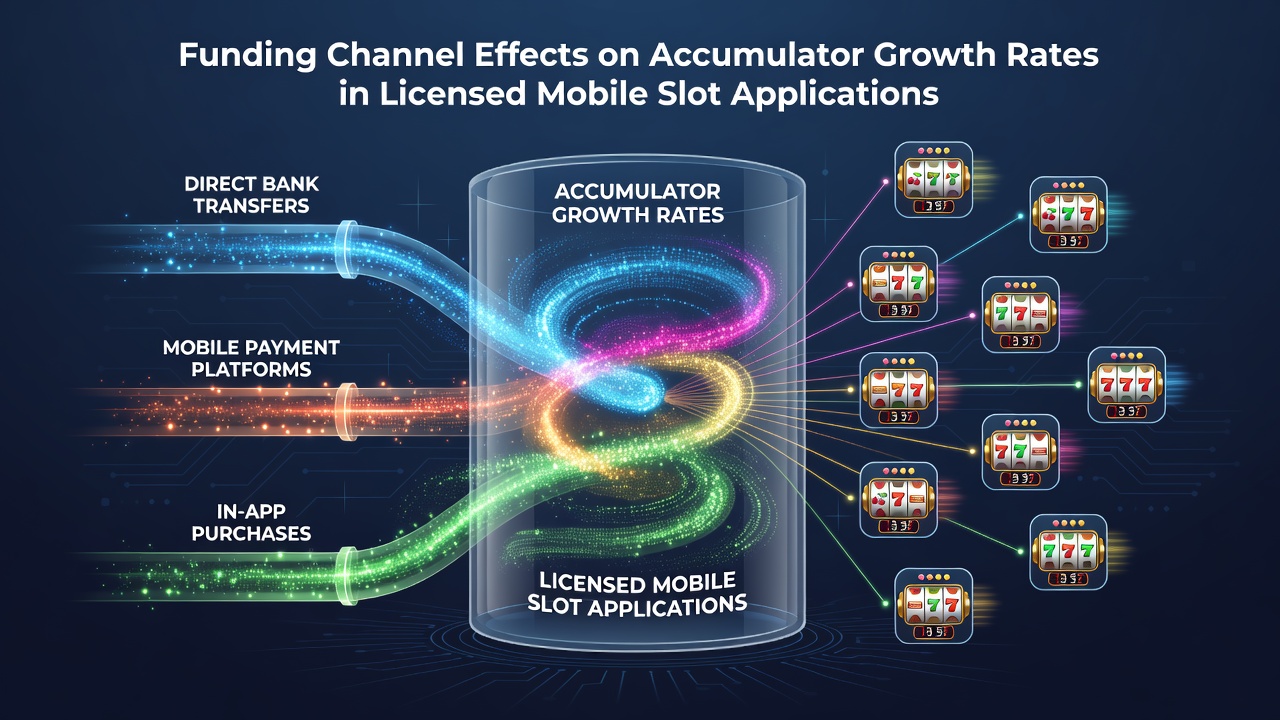
Payment Method Selection Shapes Progressive Accumulator Rates Across Regulated Mobile Slot Platforms
Payment channels determine how quickly player stakes reach progressive pools in licensed mobile slot applications, with transaction speeds and associated fees creating measurable differences in accumulator expansion. Licensed operators track these patterns because deposit velocity directly influences the rate at which contributions accumulate before any regulatory hold periods or processing deductions apply. Data from multiple jurisdictions shows that instant funding methods produce faster initial pool growth compared with methods that require batch settlement.
Transaction Timing and Pool Contributions
Instant payment rails such as certain digital wallets move funds into operator accounts within seconds, allowing stakes to enter accumulator calculations almost immediately after a spin initiates. Bank transfers and some card networks, by contrast, introduce delays ranging from minutes to hours before the same funds become eligible for progressive contributions. Observers note that this timing gap becomes more pronounced during peak evening hours when mobile traffic spikes and settlement queues lengthen. Researchers at academic institutions studying digital payment flows in gaming have documented that platforms using real-time rails record higher daily accumulator increments during the same volume of play.
Fee Structures and Net Contribution Rates
Processing fees attached to different channels reduce the net amount available for accumulator contributions once operators deduct costs. E-wallet providers often apply flat or percentage-based charges that operators pass through or absorb, while direct bank integrations sometimes carry lower per-transaction costs but slower reconciliation. One study examining licensed European markets found that channels with sub-1% fees preserved a larger share of each stake for pool growth than channels exceeding 2.5%. These differences compound over thousands of daily transactions, producing observable divergences in final jackpot totals by month-end.
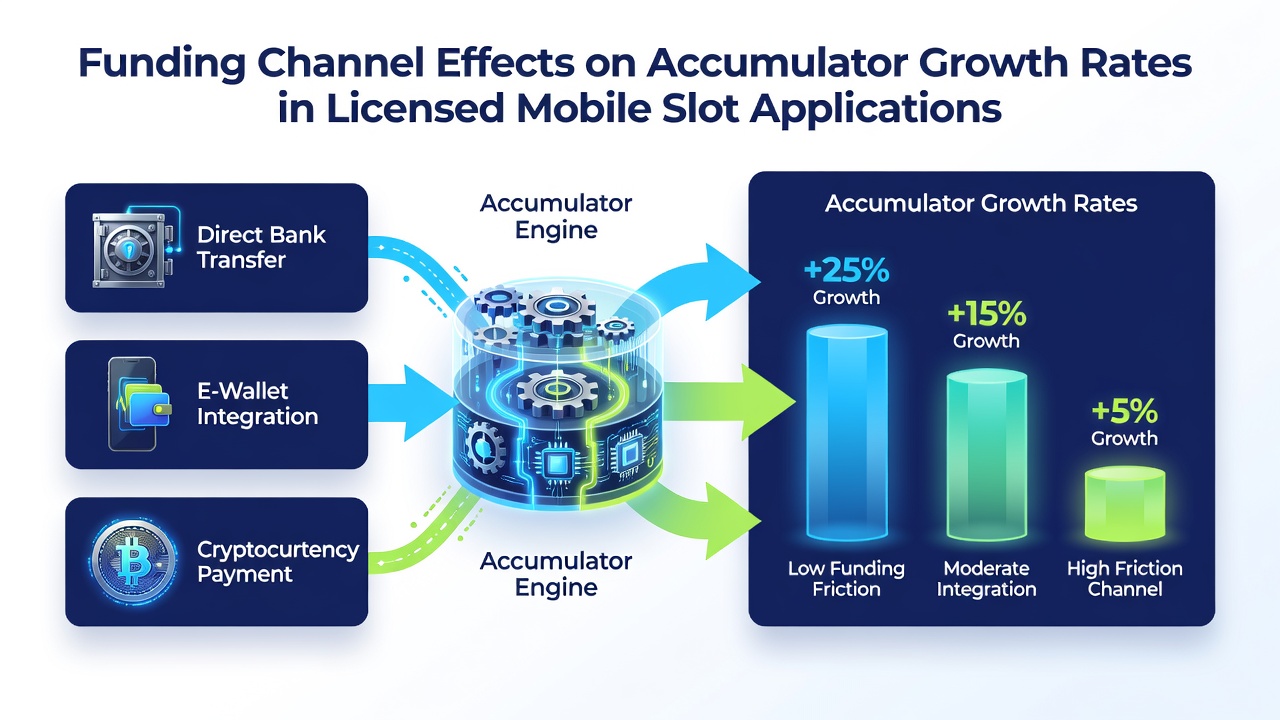
August 2026 figures released by several state regulators illustrate the pattern. Markets with high adoption of low-fee instant options posted stronger month-over-month accumulator increases than those relying more heavily on traditional card processing. The variance appears most clearly in high-volatility titles where large stake volumes amplify the effect of even small percentage differences.
Regulatory Hold Periods and Liquidity Effects
Licensed jurisdictions impose varying hold periods before deposits can participate in progressive systems, and these rules interact with channel-specific settlement times. Canadian provincial frameworks, for instance, require verification steps that extend longer for certain bank-linked methods than for approved digital wallets. Australian state oversight similarly differentiates based on source of funds, creating staggered eligibility windows that slow overall pool velocity when slower channels dominate player preferences. Those who analyze transaction logs across platforms report that operators offering multiple channels experience uneven contribution pacing that mirrors the mix of payment preferences in their user base.
Regional Data Patterns Emerging in 2026
Reports from the New Jersey Division of Gaming Enforcement highlight how mobile platforms using diversified funding options maintain steadier accumulator trajectories even when one channel experiences temporary processing slowdowns. Parallel observations from Ontario's iGaming regulator show comparable resilience when operators integrate multiple rails rather than depending on a single dominant method. Industry analyses released mid-2026 indicate that platforms balancing instant and traditional options achieve more consistent monthly growth curves than those skewed toward any single channel type.
Case examples from licensed operators reveal that sudden shifts in player payment preferences, such as increased use of newer digital wallets, produce corresponding accelerations in accumulator metrics within one or two reporting periods. These shifts occur without changes in total handle or game mix, underscoring the isolated effect of funding channel dynamics.
Conclusion
Funding channel characteristics continue to influence accumulator growth rates through the combined effects of settlement speed, fee deductions, and regulatory eligibility windows. Licensed mobile slot platforms that monitor these variables can anticipate fluctuations in progressive pool expansion tied directly to shifts in player payment behavior. Available regulatory data and transaction studies confirm measurable differences across channels, providing operators and analysts with concrete factors to track when evaluating long-term jackpot performance in regulated markets.