Payment Rail Timings Dictate Sequence Priorities for Bonus Triggers Across Licensed Reel Platforms
Hugo Flores · Jun 21, 2026
Payment Rail Timings Dictate Sequence Priorities for Bonus Triggers Across Licensed Reel Platforms
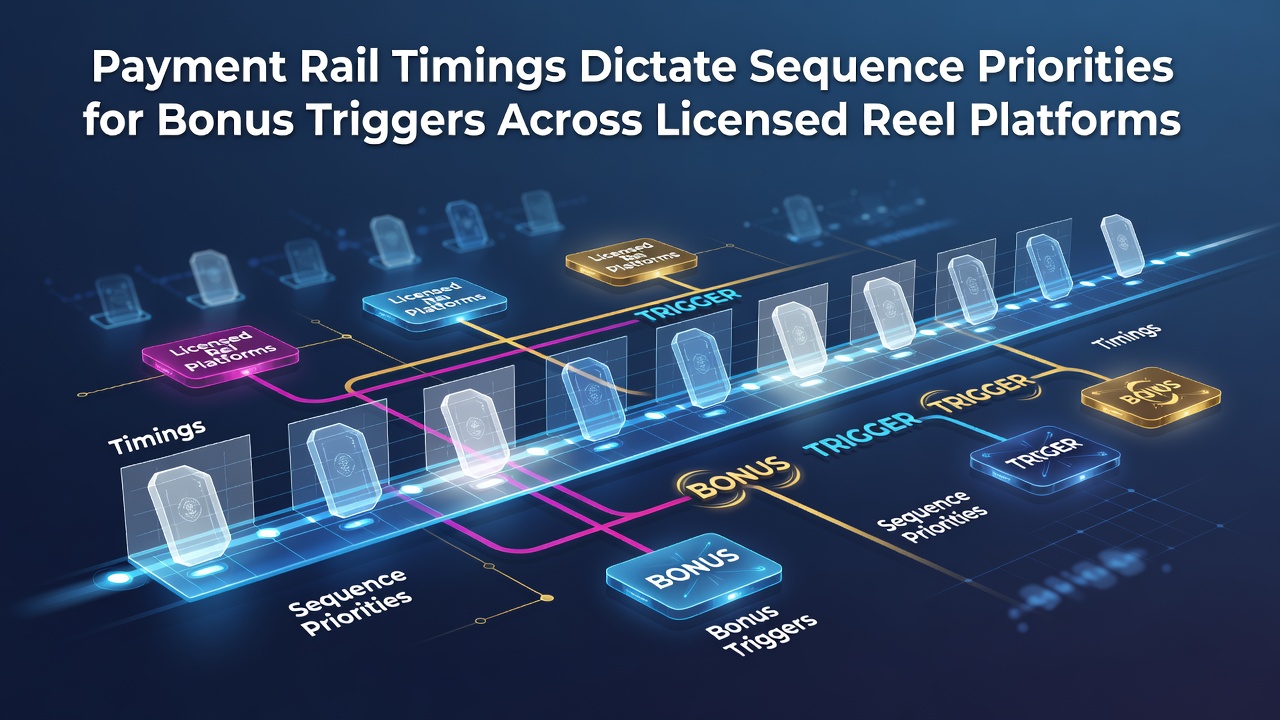
Payment rail timings shape how bonus triggers unfold on licensed reel platforms because each method carries distinct settlement windows that operators must align with regulatory sequencing rules. Credit card deposits often clear in seconds while bank transfers stretch across hours or days, and these differences force platforms to prioritize certain bonus activations over others to maintain compliance.
Operators track these intervals closely since a delayed rail can push a bonus trigger past its intended window and into a later sequence tier. Licensed markets require platforms to log every payment event against trigger conditions so that free spins or multiplier bonuses activate only after funds settle within approved timeframes.
How Different Rails Create Priority Layers
Instant rails such as certain digital wallets allow immediate bonus eligibility because settlement happens before the next reel spin cycle begins, whereas slower methods like wire transfers create holding periods that shift priorities to subsequent trigger events. Platforms therefore assign higher sequence ranks to faster rails to avoid regulatory gaps where a player might receive a bonus before funds are confirmed.
June 2026 reports from multiple jurisdictions show operators adjusting their internal clocks to match rail-specific latency data, which has led to more granular trigger tables that list exact waiting periods for each payment type. These tables prevent overlaps that could violate licensing terms on bonus sequencing.
Regulatory Frameworks Across Regions
State gaming boards in the United States require platforms to document rail timings against bonus activation logs, and similar standards appear in Canadian provincial systems where operators submit monthly latency summaries. Australian oversight bodies likewise examine how payment settlement affects progressive jackpot eligibility windows, creating a shared emphasis on verifiable timing records.
One study from the University of Nevada Reno examined transaction logs across several licensed sites and found that platforms using mixed rails consistently placed instant-method bonuses ahead of delayed ones to satisfy sequence rules. The findings appear in an industry report hosted by the American Gaming Association that details how these priorities reduce compliance incidents.
Operational Adjustments in Practice
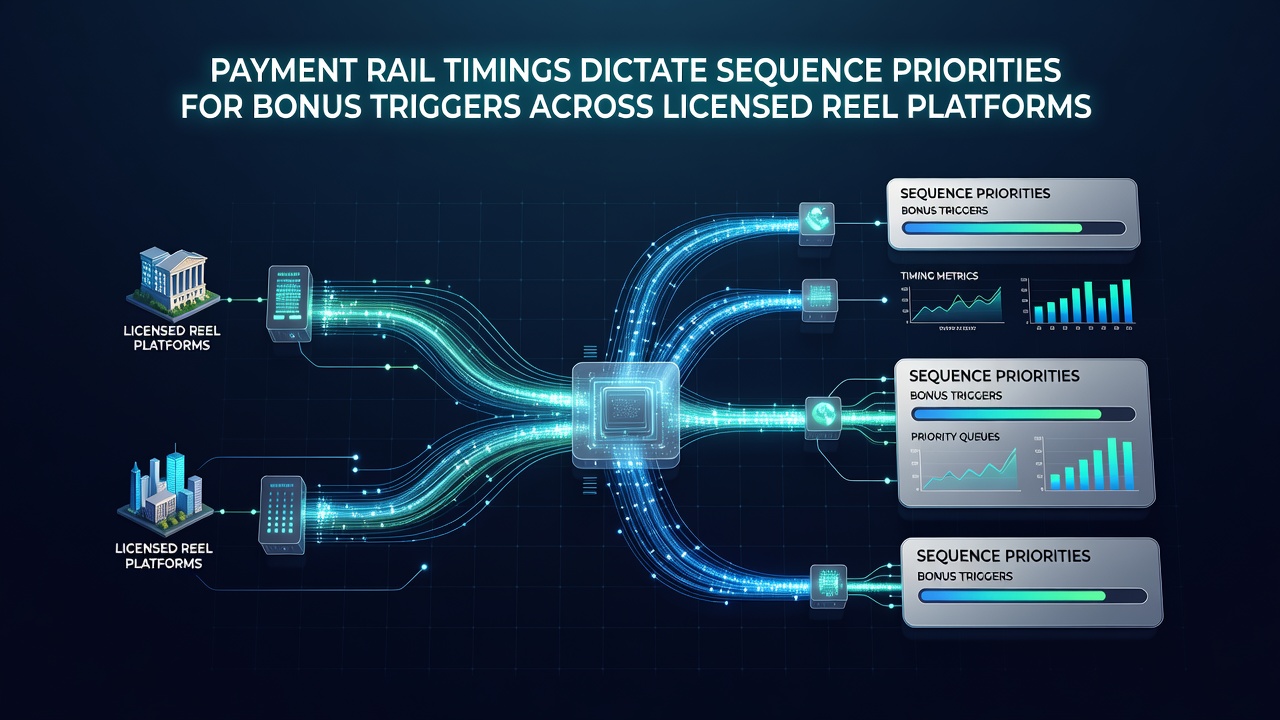
Platform engineers build conditional scripts that check rail status before releasing any bonus layer, and these scripts reference real-time feeds from payment processors. When a slower rail is detected the system automatically defers related triggers until settlement confirmation arrives, which keeps the overall sequence intact.
Take one operator in a multi-state market who integrated rail monitoring with their bonus engine and observed fewer sequence violations after the change. Data collected through May and into June 2026 indicated that deferred triggers aligned more reliably with licensing requirements once timing priorities were hardcoded.
Impact on Player Experience and Platform Design
Players encounter these priorities indirectly when a deposit via one rail unlocks a bonus faster than another, yet the underlying logic remains invisible. Platforms display estimated activation times based on rail data to set expectations without revealing internal sequencing algorithms.
What's interesting is how these timing rules interact with progressive systems where jackpot contributions must accumulate in strict chronological order. A delayed rail can postpone a player's contribution entry, which in turn affects the global trigger sequence across all active accounts on that platform.
Future Developments in Rail Integration
Emerging instant settlement technologies are prompting regulators to revisit sequence guidelines, and several European markets have begun pilot programs that test unified timing standards across rails. These pilots aim to reduce the need for platform-specific priority tables while preserving the core requirement that bonuses activate only after verified settlement.
Industry observers note that continued refinement of rail monitoring tools will likely expand into real-time compliance dashboards, allowing operators to adjust sequences dynamically as new payment methods enter licensed markets.
Conclusion
Payment rail timings continue to determine how bonus triggers are ordered on licensed reel platforms because settlement speed directly influences regulatory compliance windows. Platforms that map these timings accurately maintain smoother operations and avoid sequence violations across multiple jurisdictions. As payment technologies evolve, the relationship between rail latency and trigger priority will remain a central factor in platform architecture and oversight practices.