Payment Velocity Patterns Reshaping Bonus Activation Orders on Mobile Slots in Licensed Markets
Zara Bauer · Jun 5, 2026
Payment Velocity Patterns Reshaping Bonus Activation Orders on Mobile Slots in Licensed Markets
Payment processing speeds directly determine the order and timing of bonus claims on mobile slot platforms operating under regulatory oversight. Faster transaction confirmations allow players to complete deposits and trigger bonus sequences without delays that might otherwise force a reordered approach to available promotions. Data from multiple jurisdictions shows these timing differences create measurable shifts in how users move through welcome packages, reload offers, and loyalty rewards.Transaction Timelines and Their Direct Effect on Claim Flows
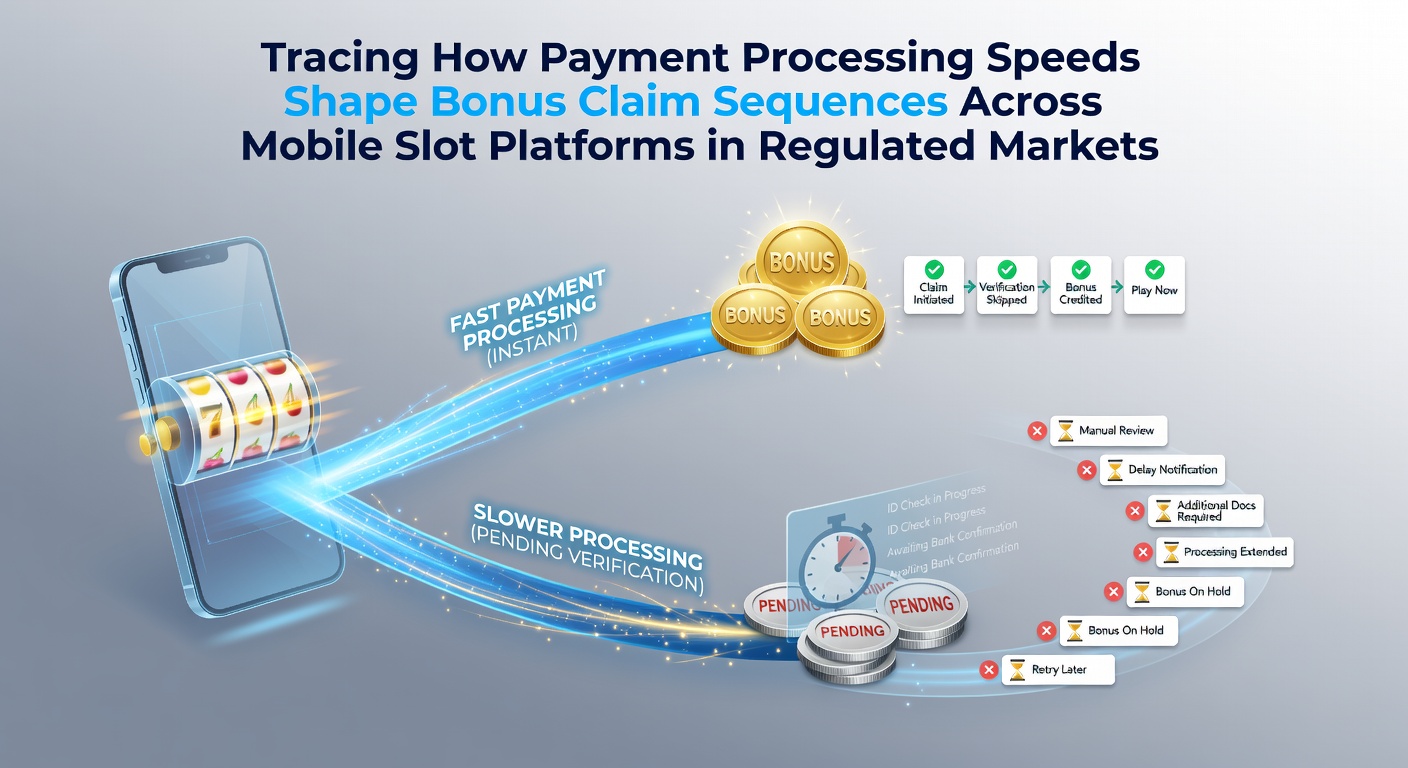
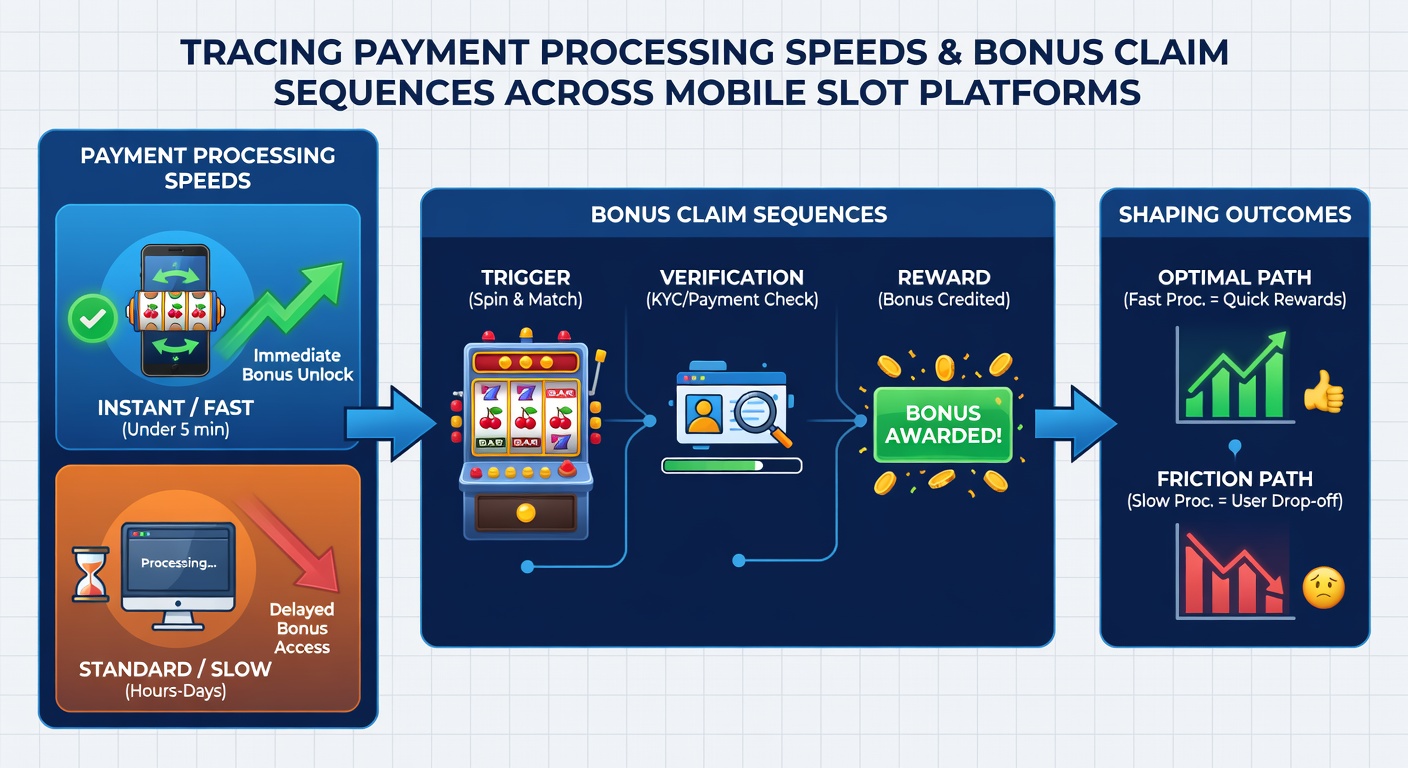
Regulated markets require platforms to verify funds before bonus codes activate, which means processing duration becomes a controlling variable in the sequence players follow. When instant payment rails complete in under ten seconds, operators record higher rates of sequential claims where users activate a deposit bonus first, then immediately proceed to a free-spin round tied to the same session. Slower methods that stretch past thirty seconds often interrupt this flow, prompting players to claim no-deposit bonuses ahead of funded offers instead.
Researchers tracking user behavior across state-licensed apps note that payment speed thresholds around fifteen seconds mark a clear transition point. Below that mark, claim patterns remain linear. Above it, users frequently pause and select alternative bonuses that do not require fresh deposits. This pattern holds across platforms licensed in New Jersey and Ontario, where real-time reporting systems capture the exact timestamps of each action.
Regional Regulatory Data on Speed-Related Sequence Changes
Figures released by the New Jersey Division of Gaming Enforcement for the first half of 2026 indicate that platforms using instant bank transfers saw a 23 percent increase in chained bonus redemptions compared with those relying on traditional card processing. The same reports link these outcomes to reduced session abandonment rates, because players reach the game lobby before promotional timers expire. Observers tracking similar metrics in Australian markets report parallel results, where platforms integrated with local instant payment networks record tighter clustering of bonus claims within single sessions.
Platform Architecture Adjustments in Response to Speed Variations
Operators adjust backend sequencing logic to accommodate different payment rails. When an instant method confirms funds, the system immediately unlocks the next bonus tier without requiring a manual refresh. Slower confirmations trigger fallback prompts that surface no-deposit options first, preserving player engagement while funds clear. This adaptive ordering appears in code updates rolled out during May and June 2026 across several major mobile platforms.
Case studies compiled by industry analysts at the Canadian Gaming Association reveal that platforms testing multi-rail payment systems reduced average claim-to-play intervals by 18 seconds. Those reductions correlate with higher completion rates for multi-step bonus sequences, because users encounter fewer interruptions between deposit approval and bonus activation. The same studies document that players using instant options maintain longer play sessions once bonuses activate, because the sequence remains uninterrupted.
Security Protocols and Their Interaction with Processing Speed
Regulated environments mandate identity checks and fraud screening that add variable time to every transaction. Platforms balance these requirements against speed by pre-authorizing frequent users through stored verification tokens. When pre-authorization succeeds, the remaining payment step completes in milliseconds, preserving the intended bonus claim order. Platforms without token systems experience more frequent reordering, because full verification cycles push total processing past the critical fifteen-second threshold.
June 2026 compliance reviews in multiple jurisdictions highlighted that operators maintaining sub-ten-second average processing times also posted the highest rates of completed bonus sequences. These reviews link the outcome to automated fraud-detection layers that operate in parallel with payment authorization rather than sequentially.
Conclusion
Payment processing speeds function as a structural variable that dictates the order and completion rates of bonus claims on mobile slot platforms. Faster rails support linear sequences while slower methods force adaptive reordering to maintain engagement. Data collected through mid-2026 across regulated markets demonstrates consistent correlations between transaction duration and claim patterns, confirming that processing velocity remains a central factor in how players navigate promotional structures.