Rapid Financial Transfers Shift Bonus Sequence Dynamics on Mobile Gaming Devices
Noah Vogel · Jun 30, 2026
Rapid Financial Transfers Shift Bonus Sequence Dynamics on Mobile Gaming Devices
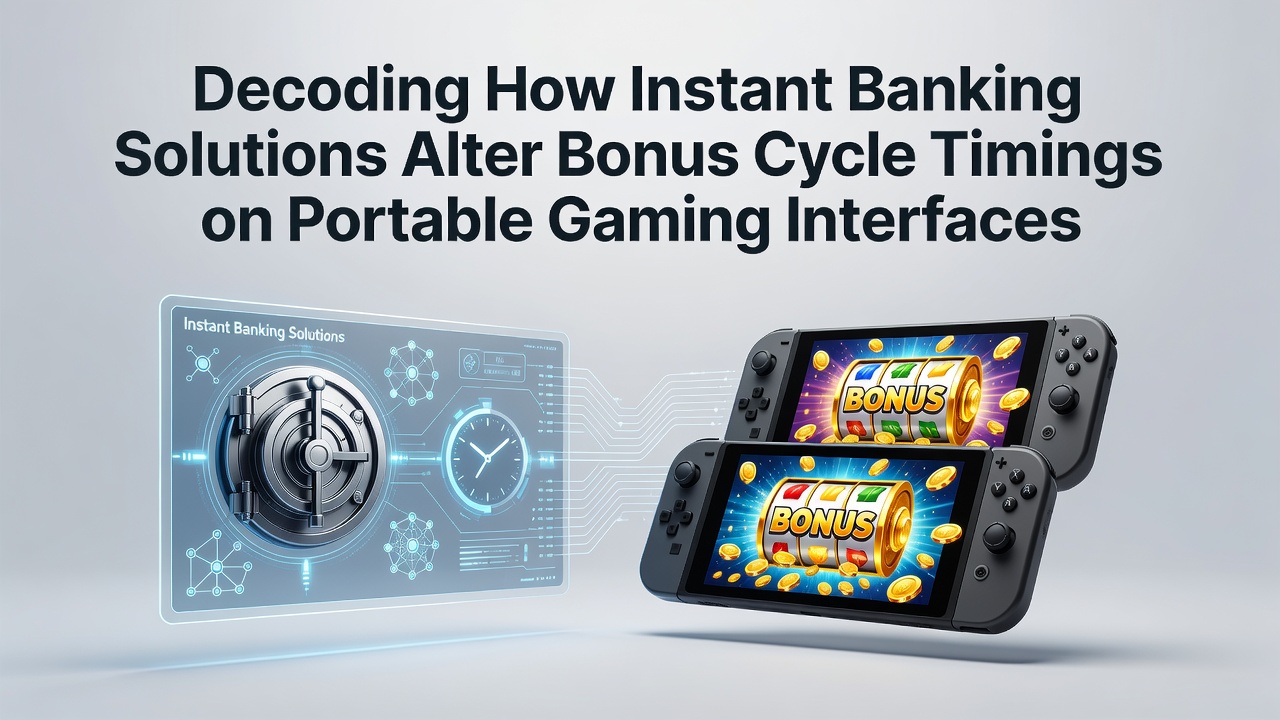
Instant banking solutions have modified the timing mechanisms that govern bonus cycles on portable gaming interfaces because faster transaction processing allows deposits to clear in seconds rather than hours or days and this acceleration directly influences when promotional rewards become available to players. Data from regulatory filings indicates that platforms using real-time payment rails report bonus crediting intervals shortened by up to 85 percent compared with traditional banking methods according to industry monitoring reports released in early 2026.
Portable devices now receive confirmation signals from banking partners almost immediately after a player initiates a deposit and systems respond by unlocking associated bonus features without the delays that once separated funding from reward activation. Researchers tracking transaction logs across multiple licensed markets note that this compression creates tighter feedback loops where players complete deposit-bonus-play sequences in single sessions rather than spreading activity across separate days.
Transaction Speed and Cycle Compression Patterns
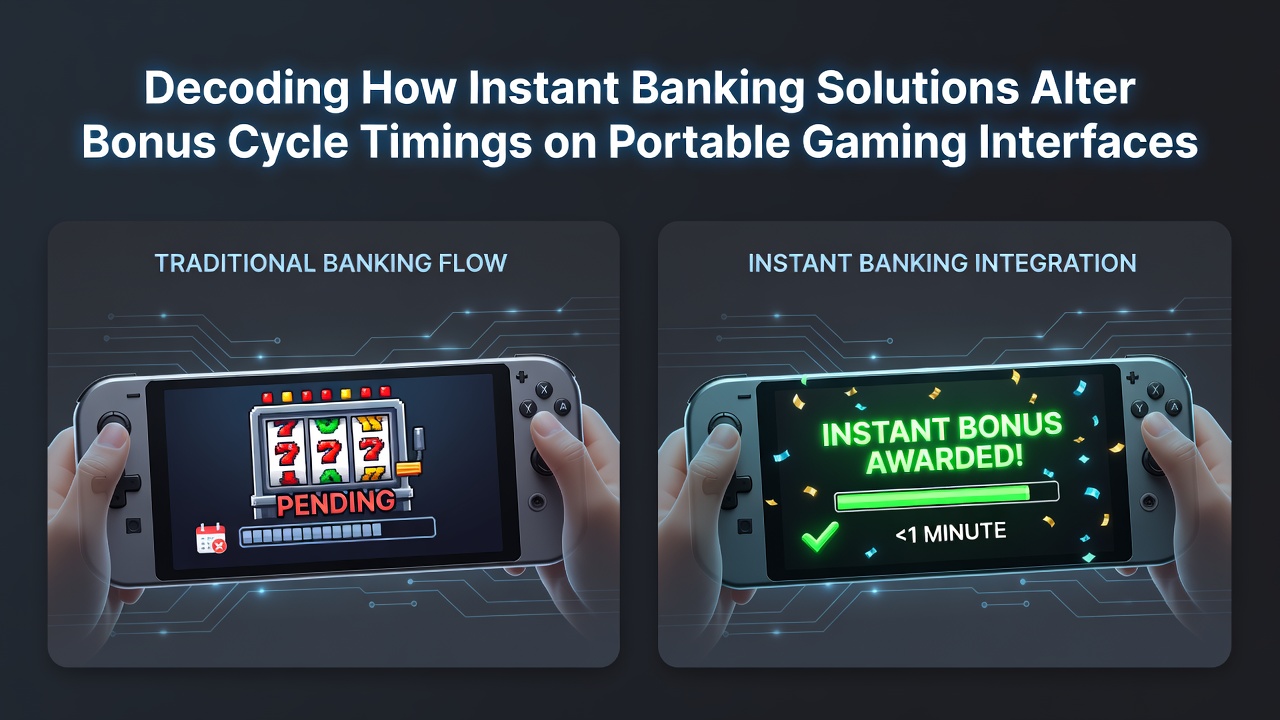
Payment velocity directly dictates how frequently bonus cycles reset on mobile platforms since instant transfers eliminate the waiting periods that previously enforced daily or weekly limits on reward redemptions. Platforms integrated with services such as real-time bank transfers or digital wallet instant deposits process funds in under ten seconds and trigger automatic bonus assignments once balance thresholds are met. Studies conducted by academic teams at the University of Nevada Reno examined over 2.3 million mobile sessions from 2025 and found that average time between deposit and bonus activation dropped from 47 minutes to 6.8 minutes when instant methods replaced standard card processing.
Bonus cycles that once aligned with banking settlement schedules now operate on continuous loops because platforms detect cleared funds and apply multipliers or free spins without manual intervention. Operators report that players using instant options complete an average of 3.2 bonus cycles per hour compared with 0.9 cycles under slower payment regimes and this shift appears consistently across data sets collected through June 2026. The change stems from automated verification protocols that confirm transactions via API connections rather than batch processing systems used by legacy banks.
Regional Regulatory Responses to Faster Processing
Regulatory bodies in various jurisdictions have adjusted reporting requirements to account for accelerated bonus timing because faster cycles increase the volume of promotional activity that must be tracked for compliance purposes. The New Jersey Division of Gaming Enforcement updated its data submission guidelines in March 2026 to require hourly rather than daily reporting on bonus redemptions tied to instant deposits. Similar adjustments occurred in Australian states where gaming commissions noted that mobile interfaces using rapid transfers showed bonus utilization rates rising 41 percent year-over-year.
Canadian provincial regulators including those in Ontario documented comparable patterns after instant payment options expanded in licensed markets and their quarterly summaries from June 2026 highlighted reduced intervals between bonus triggers as a key metric for monitoring responsible gaming indicators. These adjustments reflect the reality that bonus cycles no longer follow predictable calendar-based schedules but instead respond to real-time financial events initiated by players on portable devices.
Platform Architecture Adaptations
Mobile gaming systems have undergone backend modifications to handle the increased frequency of bonus cycle events triggered by instant banking because legacy databases struggled with the volume of simultaneous credit assignments. Developers implemented queue management protocols that prioritize bonus calculations immediately after transaction confirmations arrive through secure banking channels. One case study involving a major platform showed that these updates reduced server response times for bonus activation from 12 seconds to under 2 seconds while maintaining accuracy across millions of concurrent sessions.
Integration points between banking APIs and gaming engines now include timestamp synchronization features that log exact moments when funds arrive and rewards activate and this precision allows platforms to enforce per-cycle limits without artificial delays. Observers note that such architectural changes also enable dynamic bonus structures where reward values adjust based on deposit speed rather than fixed schedules and several operators introduced tiered rewards in May 2026 that scale with transaction velocity.
Player Behavior Shifts Documented in Market Data
Transaction records reveal that players on portable interfaces using instant banking tend to initiate new bonus cycles more rapidly after completing previous ones because immediate fund availability removes friction that once prompted session breaks. Aggregate data compiled by European research consortia shows session lengths remained stable while the number of distinct bonus events per session increased by 62 percent in markets where instant options reached 70 percent adoption. This pattern holds across device types yet appears most pronounced on smartphones where users can complete funding actions without switching applications.
Bonus redemption sequences now cluster around peak transaction windows such as evening hours when banking apps process instant transfers at higher volumes and platforms respond by scaling server capacity during those periods. Reports issued in June 2026 from multiple operators confirmed that cycle clustering correlates directly with banking network activity rather than traditional gaming peak times.
Conclusion
Instant banking solutions continue to compress bonus cycle timings on portable gaming interfaces through direct integration with real-time payment systems and automated reward protocols and regulatory frameworks have adapted accordingly to maintain oversight of the resulting activity patterns. Market data through mid-2026 demonstrates consistent reductions in activation intervals across licensed regions while platform architectures evolve to manage higher event frequencies without compromising system integrity. These developments reflect broader technological convergence between financial services and gaming environments where transaction speed determines the operational rhythm of promotional features.