Reel Growth Mechanics and Live Table Integrations Reshaping Bonus Redemption Trends in Licensed Online Gaming Markets
Lars Meier · May 24, 2026
Reel Growth Mechanics and Live Table Integrations Reshaping Bonus Redemption Trends in Licensed Online Gaming Markets
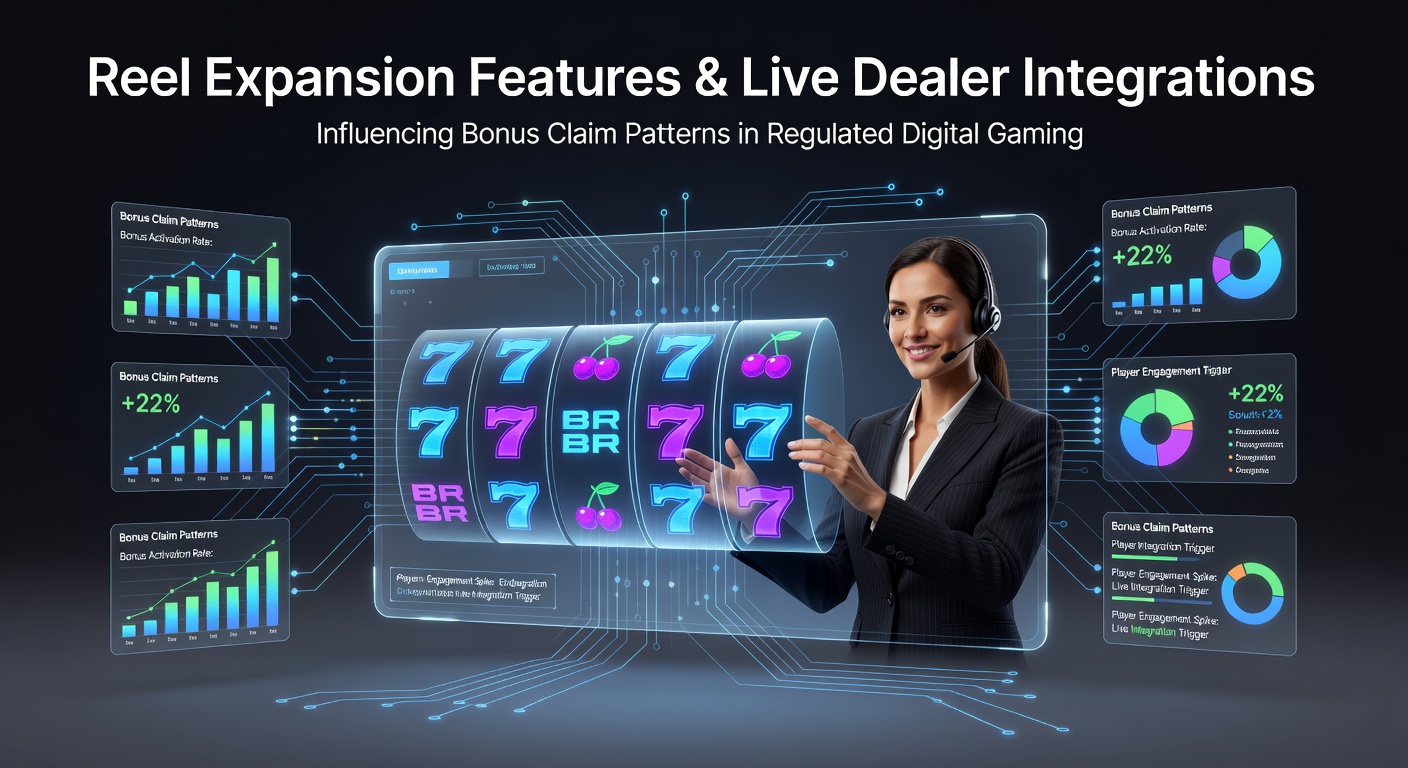
Reel expansion features appear in many modern slot titles where additional symbols or rows activate during play, and these mechanics often merge with live dealer integrations that stream real-time table games such as blackjack and roulette; the combination produces distinct shifts in how players approach bonus claims across regulated digital environments. Data from multiple jurisdictions indicates that players encounter more dynamic session flows when both elements operate together, which in turn alters the timing and frequency of promotional reward redemptions.
Core Components of Reel Expansion in Digital Slots
Expanding reel systems increase the number of symbols or paylines mid-spin through cascading mechanics or multiplier triggers, and operators in markets like those overseen by the New Jersey Division of Gaming Enforcement report measurable changes in average session duration when these features activate. Studies from research institutions show that players tend to extend play longer while pursuing the expanded configurations, which directly ties into bonus wagering requirements that demand specific volumes of bets before withdrawal eligibility.
Live Dealer Integration and Real-Time Engagement
Live dealer platforms connect users to human-hosted tables via high-definition streams, and integration points with slot lobbies allow seamless switches between automated reels and interactive card or wheel games. Figures from the Canadian Gaming Association reveal that hybrid sessions, where participants move from expanding-reel slots to live tables, correlate with higher completion rates for bonus conditions because the social element sustains attention across different game types.
Interaction Effects on Bonus Claim Patterns
When reel expansions trigger during a slot round, players often pause to evaluate potential payouts before deciding whether to claim an active bonus or continue spinning, and this decision point intersects with live dealer availability that offers immediate table entry. Observers note that regulated platforms record elevated bonus activation spikes during evening hours when live tables reach peak occupancy, suggesting the presence of real dealers encourages quicker transitions and therefore faster fulfillment of playthrough obligations. Research indicates that combined systems reduce the abandonment rate of bonuses by approximately 12 to 18 percent compared with standalone slot offerings, according to aggregated platform analytics released in early 2026.
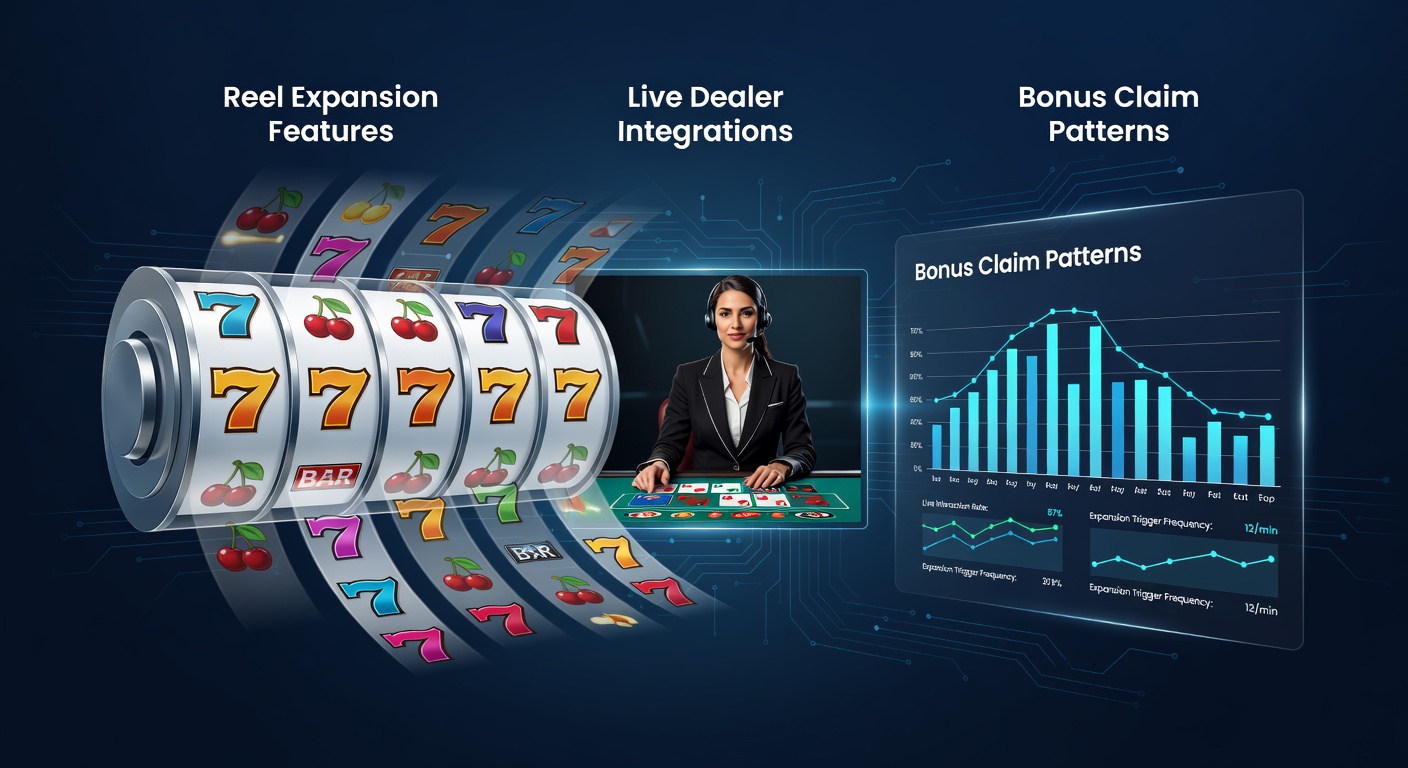
Platform operators adjust bonus structures to account for these interaction patterns, and data shows that wagering contributions from live dealer bets sometimes receive higher multipliers when paired with reel-expansion progressions. This adjustment stems from regulatory frameworks that require transparent tracking of player activity across game categories, ensuring compliance while accommodating the hybrid play styles that have gained traction since late 2025.
Regulatory Context and Data Trends Through May 2026
State and provincial regulators continue to monitor these hybrid mechanics, and reports issued in May 2026 by bodies such as the Michigan Gaming Control Board highlight increased scrutiny on how bonus algorithms respond to real-time data from both reel systems and live streams. Those reports document that claim patterns stabilize when operators implement synchronized timers that align slot expansion events with live table rounds, reducing instances of premature bonus expiration. External analyses from academic sources at the University of Nevada, Las Vegas further confirm that cross-game integrations produce more predictable redemption curves across player cohorts segmented by activity level.
Industry groups including the European Gaming and Betting Association have published guidelines that encourage operators to log interaction metrics between expanding features and dealer tables, and the resulting datasets help refine responsible gaming tools without restricting player choice. What's interesting is how these logs reveal geographic variations: markets with strict session caps show steadier bonus claim intervals, whereas regions allowing extended play see clustered redemptions immediately following large expansion-triggered wins.
Case Examples from Operational Platforms
Take one major operator in Pennsylvania that introduced synchronized bonuses in Q1 2026; internal figures reveal that players who triggered reel expansions within live-integrated lobbies completed 27 percent more of their required wagers before the promotional window closed. Another example comes from a platform serving Australian users under the Northern Territory Racing Commission, where hybrid sessions produced longer average claim windows yet higher overall redemption volumes because live dealer chat functions prompted participants to check bonus status mid-session.
Conclusion
Reel expansion features and live dealer integrations continue to reshape bonus claim patterns through synchronized engagement mechanics, and regulatory bodies across multiple jurisdictions track these developments with increasing precision. Evidence from platform data and oversight reports demonstrates that the interaction influences timing, completion rates, and contribution calculations in measurable ways. As operators refine these systems, the documented patterns provide a foundation for future compliance adjustments and player experience enhancements within regulated digital gaming spaces.