State Licensing Shifts Redefining Scatter Activation Sequences Across Multi-Jurisdictional Reel Networks
Noah Vogel · Aug 18, 2026
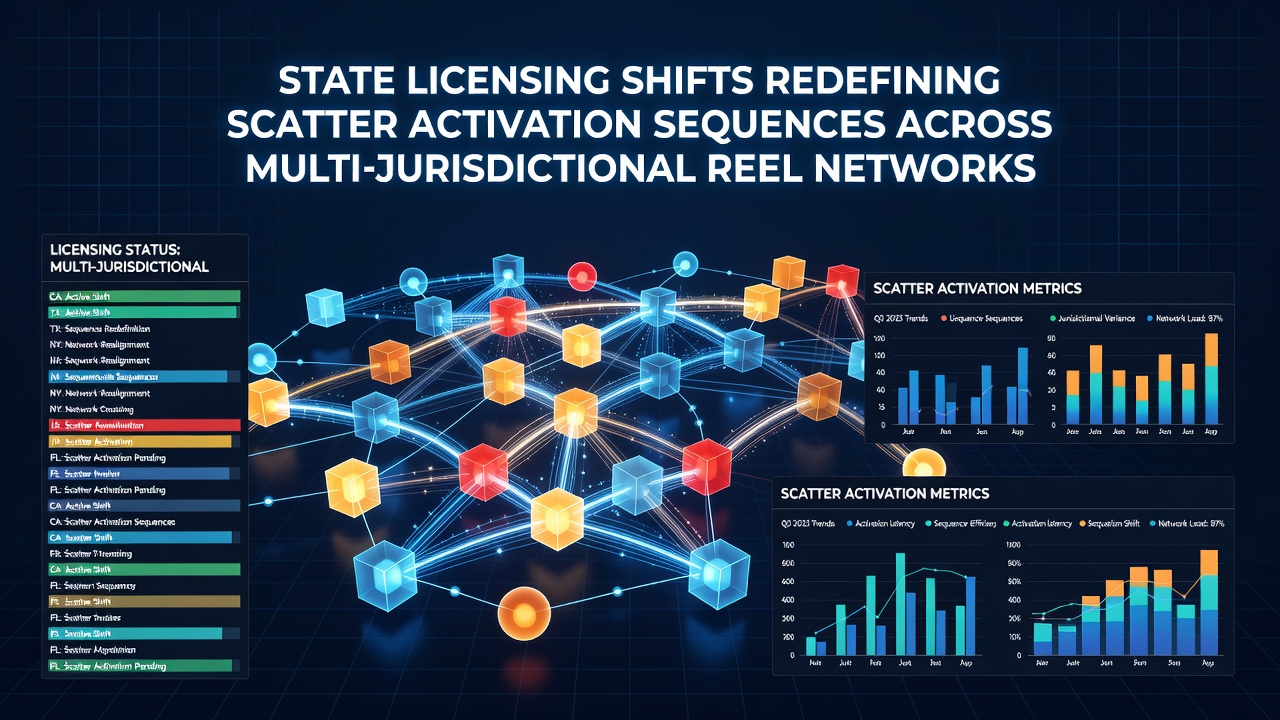
State Licensing Shifts Redefining Scatter Activation Sequences Across Multi-Jurisdictional Reel Networks
State licensing frameworks continue to evolve across multiple regions, and these adjustments directly influence how scatter symbols trigger activation sequences in reel networks that span several jurisdictions at once. Operators managing platforms with games accessible in more than one regulatory zone must align bonus mechanics with each area's specific requirements, which often means recalibrating the timing, frequency, and payout multipliers tied to scatter combinations.
Regulatory Adjustments Across Jurisdictions
Data from industry monitoring groups shows that several states updated their licensing criteria in the first half of 2026, with further implementations scheduled for August 2026 that address random number generator certification and bonus feature transparency. These updates require platforms to modify scatter activation logic so that sequences comply with local rules on game fairness and player disclosure, particularly when a single title operates under licenses from neighboring states or cross-border agreements.
Researchers tracking gaming technology note that multi-jurisdictional networks now incorporate jurisdiction-specific flags into their backend systems, allowing scatters to activate different bonus rounds depending on the player's registered location. This approach prevents conflicts when one state's rules limit certain multiplier effects while another permits expanded reel expansions during the same feature.
Technical Adaptations in Reel Systems
Platform developers integrate modular code structures that detect the active license at the moment a scatter sequence initiates, then apply the corresponding parameters for symbol weighting and trigger thresholds. Studies from gaming engineering teams indicate that this modular method reduces compliance violations by routing activation sequences through separate validation layers before any bonus round begins.
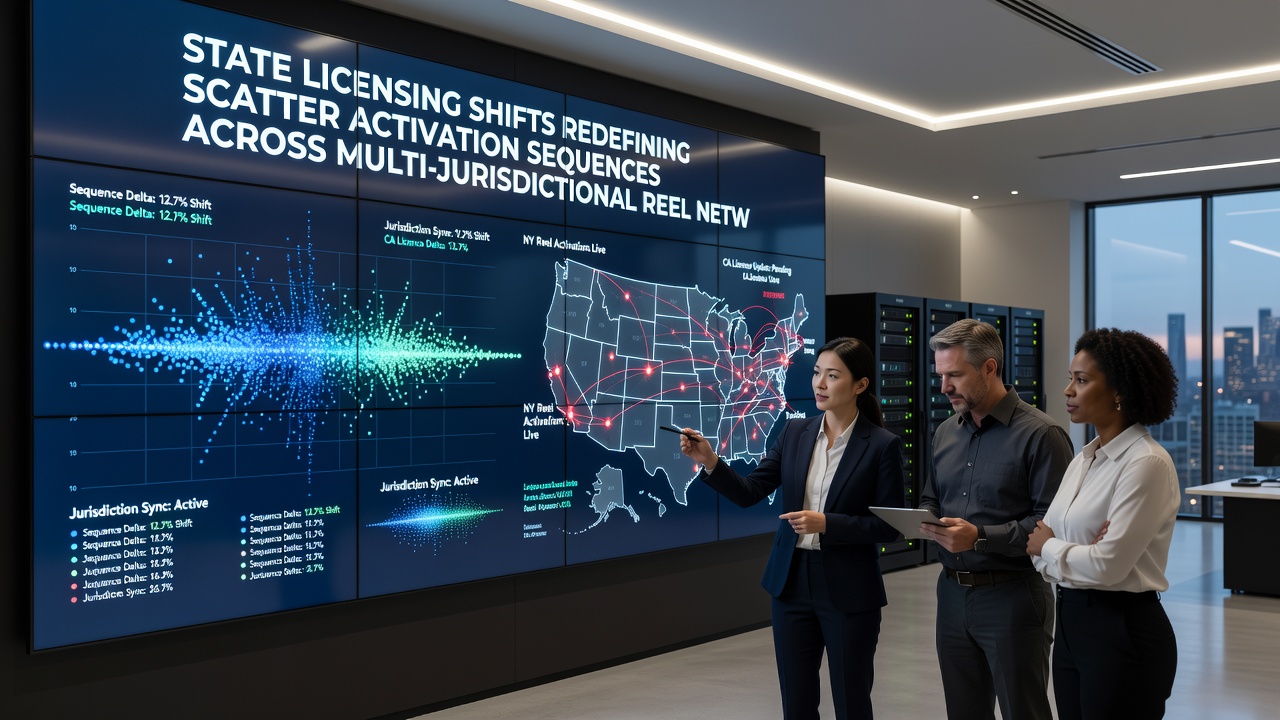
One documented case involved a major operator adjusting its progressive jackpot scatters to meet simultaneous requirements in two states, where one jurisdiction mandated minimum trigger rates and the other imposed caps on consecutive activations within a single session. The solution involved embedding conditional logic that pauses or advances the sequence based on real-time license verification, maintaining continuity across the shared reel network.
Impact on Bonus Feature Design
Evidence from regulatory filings reveals that licensing shifts have prompted designers to create flexible scatter sets capable of reordering activation priorities without altering core game mathematics. These adaptations allow a single title to deliver jurisdiction-compliant experiences while preserving the visual and auditory elements players expect during bonus entry.
According to reports issued by the Nevada Gaming Control Board, operators submitting updated game certifications must demonstrate that scatter sequences remain consistent under each licensed configuration, even when reel networks draw from centralized servers serving multiple states. This documentation process has lengthened review timelines but produced clearer standards for cross-jurisdictional compatibility.
Additional guidance from the International Association of Gaming Regulators highlights similar patterns in provinces outside the United States, where licensing bodies require explicit mapping of scatter triggers to local responsible gaming parameters. Networks that previously used uniform activation rules now segment their logic trees to accommodate these regional differences.
Operational Considerations for August 2026
With several licensing renewals and rule revisions taking effect in August 2026, platform teams have begun stress-testing scatter activation pathways under simulated multi-state traffic loads. These tests measure latency introduced by license checks and confirm that sequence timing stays within tolerances defined by each participating jurisdiction.
Observers following compliance trends report that operators are documenting fallback procedures for cases where a player's location changes mid-session, ensuring that any ongoing scatter sequence resolves under the original license parameters rather than switching mid-activation. Such measures address potential disputes over bonus outcomes that straddle regulatory boundaries.
Conclusion
State licensing developments continue to shape the technical architecture of scatter activation sequences in reel networks that cross jurisdictional lines. Through modular system design, updated certification processes, and coordinated testing ahead of August 2026 deadlines, operators maintain compliance while delivering consistent gameplay across licensed markets. Regulatory bodies and industry groups supply the frameworks that guide these ongoing adjustments, supporting stable operations in an environment of shifting requirements.