Tracing Bonus Triggers: Instant Banking Protocols Across Multi-Jurisdictional Slot Networks
Noah Vogel · Jun 23, 2026
Tracing Bonus Triggers: Instant Banking Protocols Across Multi-Jurisdictional Slot Networks
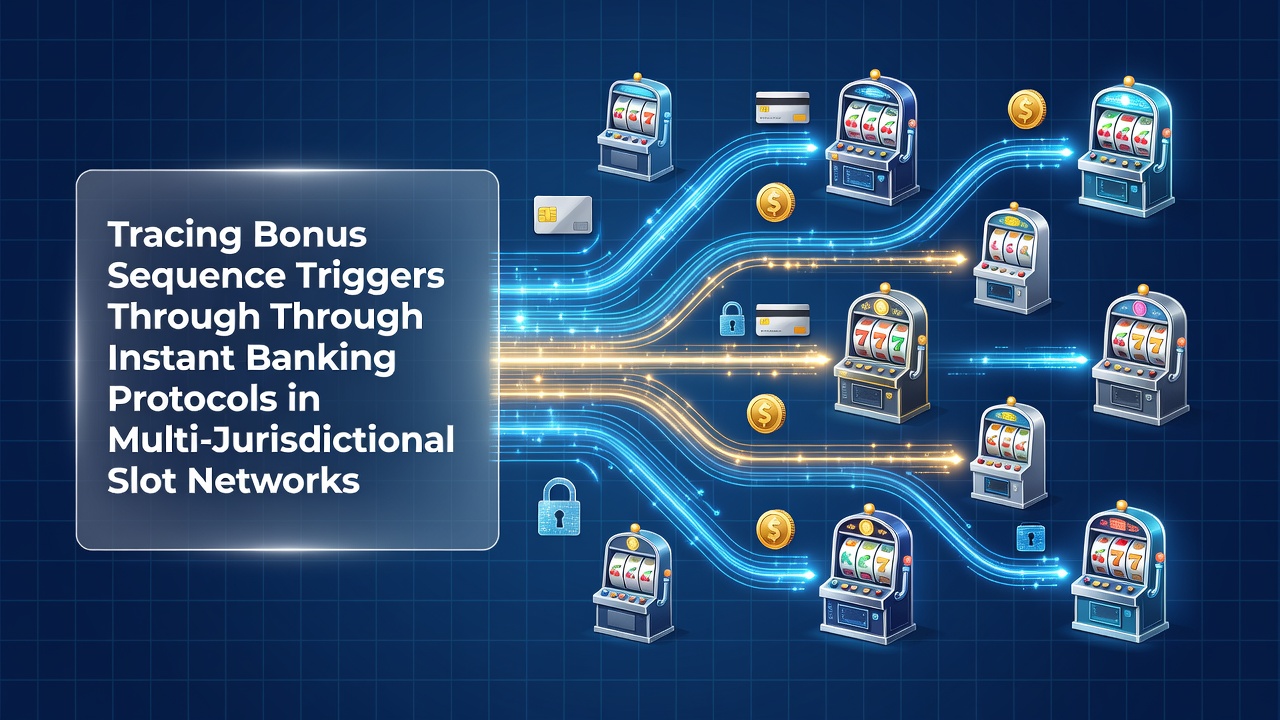
Instant banking protocols now sit at the center of bonus sequence management in slot networks that span several regulatory zones, and observers note how these systems route player deposits directly into trigger conditions that release free spins, multipliers, or progressive contributions. Data from operators in North America and Australia shows that same-day settlement rails such as RTP and ACH variants reduce the lag between fund arrival and bonus eligibility checks, which in turn alters the order in which features activate on both land-based terminals and mobile platforms.
Protocol Mechanics and Sequence Mapping
Banking APIs transmit transaction metadata that includes amount, timestamp, and originating jurisdiction, while slot servers cross-reference this data against predefined bonus rules before any reel spin occurs; researchers at several gaming technology firms have documented cases where a deposit cleared in under four seconds automatically satisfies a minimum threshold and queues the next sequence element without player intervention. In multi-state environments the same deposit may satisfy requirements in one jurisdiction yet fall short in another because of differing minimum-bet or wagering-multiplier statutes, so network operators maintain separate rule tables that update in real time as funds move across borders.
Cross-Border Data Flows
According to reports compiled by the Nevada Gaming Control Board, interstate slot networks processed more than 2.3 billion instant transactions in the first half of 2026, and a notable share of those transfers carried metadata flags that directly influenced bonus activation order. Similar patterns appear in Canadian provincial systems where the Alcohol and Gaming Commission of Ontario requires operators to log every banking event that precedes a progressive jackpot contribution, creating an auditable trail that links each deposit to the precise moment a bonus meter increments.
Regulatory Differences Shaping Trigger Logic
Jurisdictions impose distinct constraints on how quickly bonus funds may become available, and these rules force protocol designers to insert conditional pauses or additional verification steps. In Australia the Australian Communications and Media Authority mandates a cooling-off interval after certain instant deposits before any bonus sequence can begin, whereas several U.S. tribal compacts allow immediate crediting provided the transaction originates from an approved financial institution. Operators therefore embed jurisdiction-specific flags inside the banking message so that the slot engine can decide, within milliseconds, whether to release the next bonus element or to queue it pending further checks.
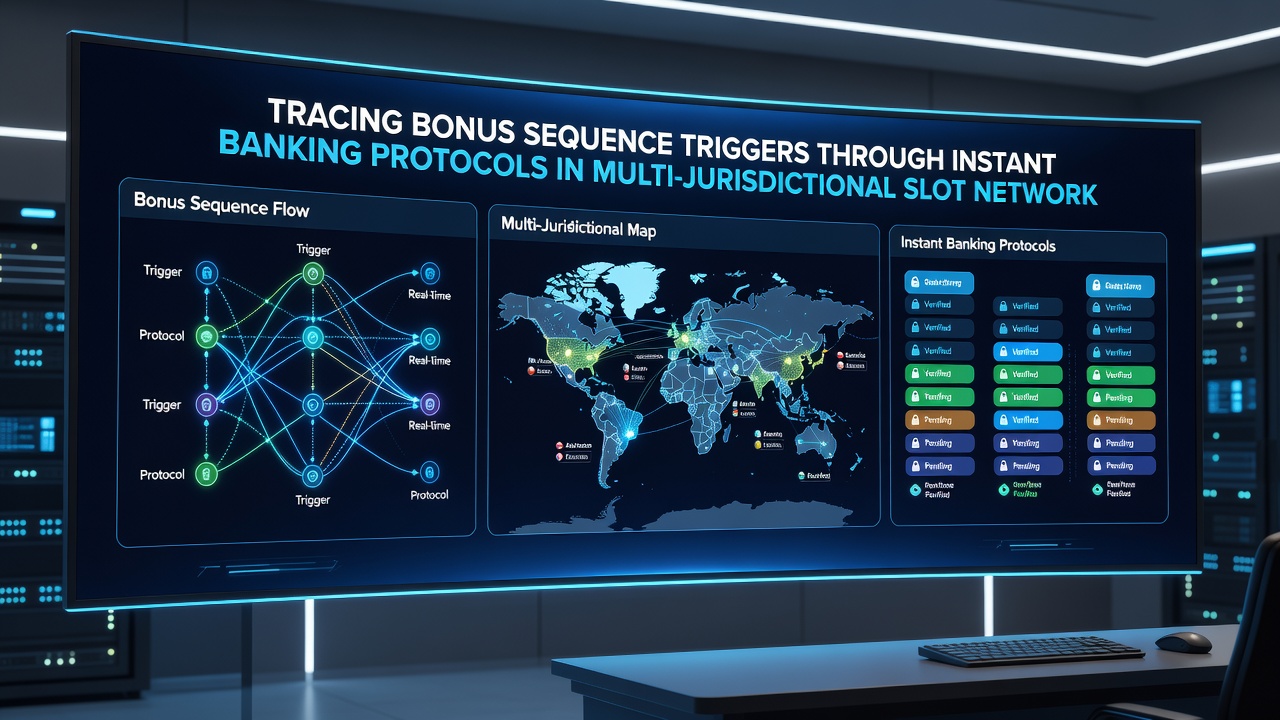
One study released by the University of Nevada, Reno gaming research group in May 2026 examined transaction logs from three major networks and found that 68 percent of bonus sequences began within two seconds of an instant deposit clearing, yet sequences spanning two or more jurisdictions required an average of 11 additional seconds for rule-set reconciliation. Those extra seconds arise because each jurisdiction’s compliance server must acknowledge receipt of the banking payload before the central bonus engine proceeds, and network latency between servers located in different time zones adds measurable delay.
Technical Tracing Methods in Use Today
Engineers employ timestamp correlation and unique transaction identifiers to reconstruct the exact path a deposit takes from banking rail to bonus trigger; these identifiers travel inside encrypted packets that also carry jurisdiction codes, allowing forensic teams to isolate which rule table evaluated the transaction first. When disputes arise over whether a bonus should have activated, regulators request the full chain of API calls, and operators supply packet captures that show the moment the banking protocol returned a success code and the slot server responded with the corresponding bonus flag.
June 2026 saw several networks introduce enhanced logging standards that record not only the banking outcome but also the precise bonus step that executed immediately afterward, a change driven by joint guidance from the Nevada Gaming Control Board and the Alcohol and Gaming Commission of Ontario. The new logs make it possible to verify that a free-spin award followed a deposit cleared in one jurisdiction while a multiplier award attached to a separate deposit cleared in another, thereby satisfying overlapping regulatory demands without manual reconciliation.
Future Protocol Adjustments
Industry working groups are examining standardized metadata schemas that would let banking rails carry bonus-rule summaries directly, reducing the need for each jurisdiction to maintain duplicate lookup tables. Early tests conducted on limited rollouts indicate that such schemas could shorten reconciliation time by roughly 40 percent while preserving the audit trail required by every participating regulator. Those tests continue through the summer months, and observers expect broader adoption once final schema versions receive approval from the relevant oversight bodies.
Conclusion
Instant banking protocols have become the primary conduit through which bonus sequences are initiated, validated, and recorded across multi-jurisdictional slot networks, and the technical and regulatory frameworks that govern these flows continue to evolve in response to both speed demands and compliance requirements. Continued refinement of logging standards and metadata exchange promises to keep the tracing process transparent while accommodating the distinct rules each jurisdiction applies to player funds.