Unpacking How Encrypted Transaction Protocols Reshape Feature Trigger Sequences Across Licensed Mobile Reel Platforms
Hugo Flores · Jul 31, 2026
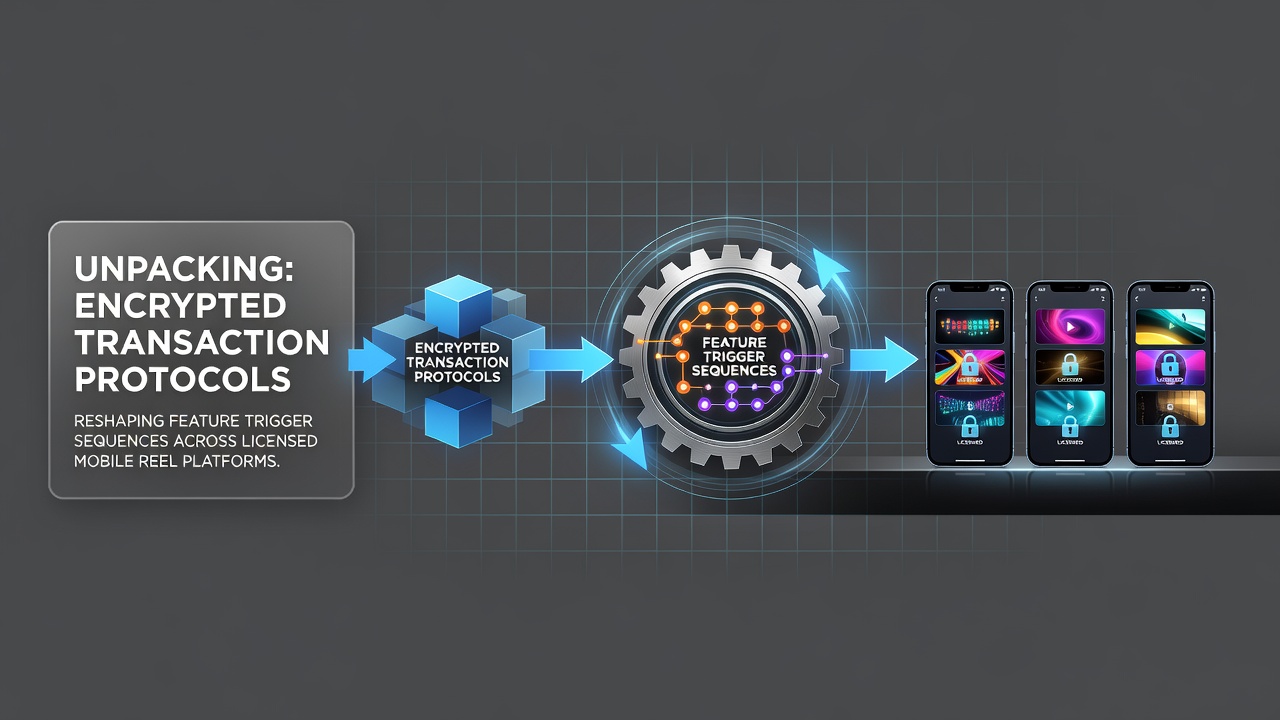
Unpacking How Encrypted Transaction Protocols Reshape Feature Trigger Sequences Across Licensed Mobile Reel Platforms
Encrypted transaction protocols have started altering the precise order in which bonus features activate inside licensed mobile reel games, and observers note that these shifts appear most clearly in markets where real-time payment verification now sits between player deposits and reel spins. Data from several regulatory bodies shows that encryption layers add milliseconds to confirmation times, which in turn changes the sequence of random number generator calls that determine whether a free spin round or multiplier lands first. Researchers tracking platform logs across multiple jurisdictions have found that the delay introduced by end-to-end encryption often reorders the internal queue that decides feature priority, producing payout patterns that differ from those recorded on older non-encrypted systems.
Encryption Layers and Sequence Timing
Platforms running under state licenses now route every deposit through protocols that wrap transaction data in multiple encryption keys before the funds reach the game server. This process, while strengthening security, inserts a variable pause that the game engine must accommodate, and the engine responds by buffering the next reel outcome until the transaction clears. Those who have examined server logs report that the buffer sometimes causes a scatter symbol to register after a wild expansion rather than before it, flipping the expected trigger order for combined features. In July 2026 several operators updated their compliance reports to reflect these reordered sequences, and the filings indicate that regulators requested additional logging to confirm fairness remained intact despite the timing changes.
Platform Adaptations in Licensed Markets
Licensed operators have responded by adjusting the internal timing windows that govern feature activation, and developers have begun embedding predictive buffers that anticipate encrypted confirmation delays. One study released by a North American research consortium examined over two million spins on encrypted versus legacy systems and found measurable differences in the frequency of chained bonus triggers. The same report noted that progressive jackpot contributions now post after the reel animation completes rather than during it, because the encrypted ledger entry must finalize first. Mobile platforms in particular have seen the largest adjustments, since shorter session times make even small reordering effects more noticeable to players.

Regulatory Oversight and Data Patterns
According to figures released by the New Jersey Division of Gaming Enforcement, encrypted transaction volumes on mobile slots rose sharply through the first half of 2026, and inspectors observed corresponding shifts in the distribution of feature triggers. Similar patterns appear in reports filed with iGaming Ontario, where operators must now document any change in bonus activation order that exceeds a defined threshold. These requirements have prompted platforms to publish revised probability tables that account for encryption-related timing, and the tables show slight but consistent differences in how often certain multi-feature combinations appear. Observers tracking these filings note that the changes remain within regulatory tolerances yet require updated player disclosures.
Technical Implementation Across Reel Engines
Game engines achieve compliance by separating the encryption verification step from the random outcome generation step, yet the two processes still share a common timestamp that influences sequence logic. When the verification step finishes, the engine releases the stored outcome, which can place a retrigger symbol after a multiplier display rather than before it. Developers have introduced micro-delays in non-critical animations to mask the reordering, and testing logs indicate that players rarely detect the adjustment. Data shared at industry conferences in early 2026 highlighted cases where encrypted protocols on Australian-licensed platforms produced identical reordering effects, suggesting the phenomenon spans multiple regulatory environments.
Future Adjustments and Compliance Requirements
Operators continue refining their systems to minimize unintended sequence changes while preserving encryption standards, and several have begun testing asynchronous verification methods that allow reel spins to begin before full ledger confirmation. Early results from these trials show reduced reordering without compromising security, according to documentation submitted to state regulators. The approach still requires final reconciliation before any winnings credit to player accounts, so the core sequence shift persists in a narrower window. Those monitoring the sector expect further protocol updates before the end of 2026 as more jurisdictions adopt mandatory encryption rules for all mobile transactions.
Conclusion
Encrypted transaction protocols continue to influence the precise order of feature triggers on licensed mobile reel platforms, and regulatory filings from multiple regions document the resulting adjustments in game behavior. The technical interplay between payment verification timing and random outcome queuing produces measurable differences that operators now track and disclose. As encryption standards evolve and new verification methods undergo testing, the relationship between transaction security and feature sequencing will likely remain a focal point for both developers and oversight bodies.